Breakfast Trends for 2026
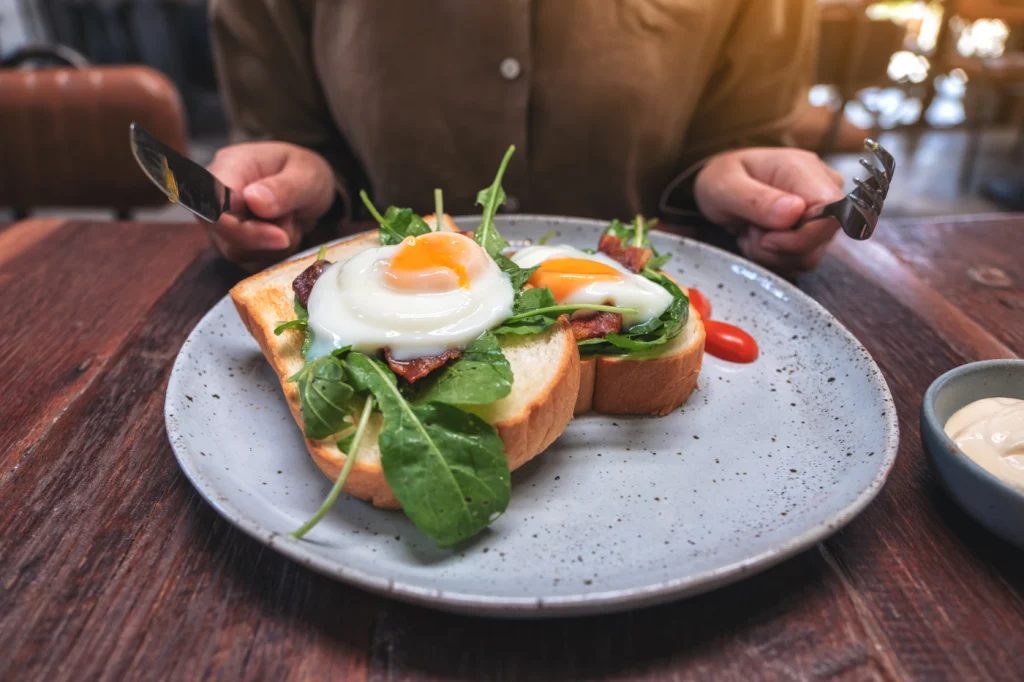
What do your guests look for in a breakfast?
Perhaps enough energy to counteract a somewhat poor sleep from the night before. Or a meal that will keep them full for a long time because they have a meeting that will stretch on for several hours. Sometimes it will also be an authentic dish that takes longer to prepare because they finally have time to enjoy a leisurely breakfast.
At whatever moment guests find themselves at your morning table (or counter), be prepared with an overview of the trends shaping breakfast in 2026.
Quick, practical, and ready to go
On weekdays, breakfast often competes with transportation, obligations, calls, and the first meeting. That’s why practical formats that can be eaten without a long stay at the table or taken away are becoming an increasingly important part of the morning offering.
Breakfast to go doesn’t have to mean just a croissant and coffee. Mini frittatas, tortillas, and wraps in meat and veggie varieties, smaller egg sandwiches, savory rolls, and yogurt with granola can expand the offering without too much operational complexity. The key is in the format that is practical but still a proper meal.
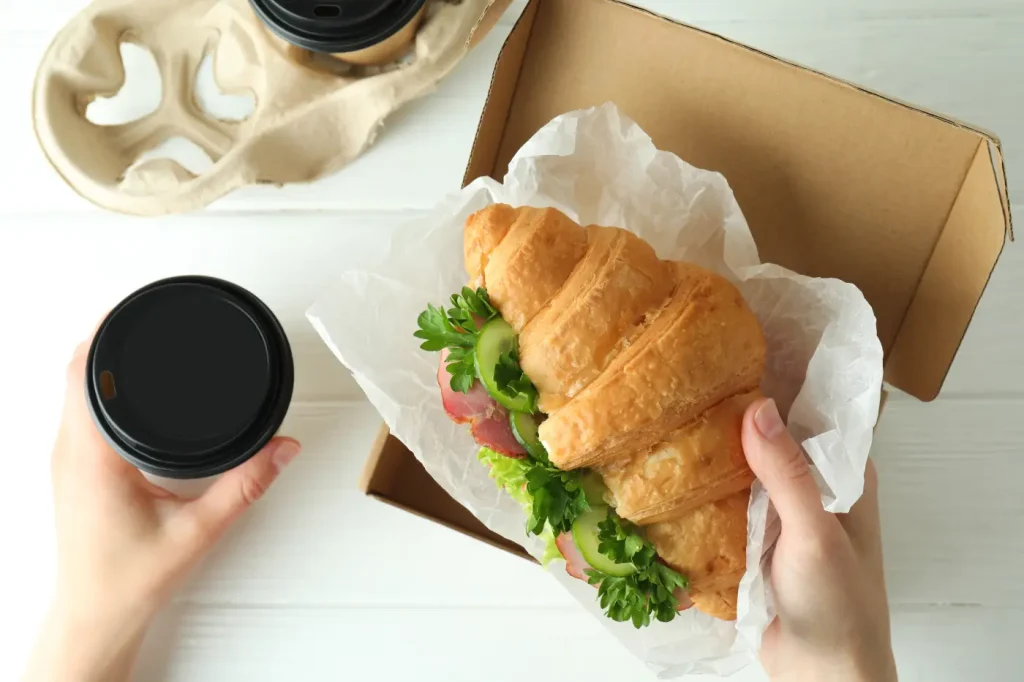
Breakfast for lasting energy
Guests are increasingly choosing ingredients that can offer them longer-lasting satiety and more stable energy, such as eggs, Greek yogurt, fresh cheese, and oatmeal.
For caterers, this means that along with classic options, it’s worth offering a few clearly formulated combinations rich in protein and fiber. Sourdough toast with egg, fresh cheese, and vegetables, oatmeal with fruit and nuts, or an omelet with seasonal vegetables can be simple answers to the need for a solid start to the day.
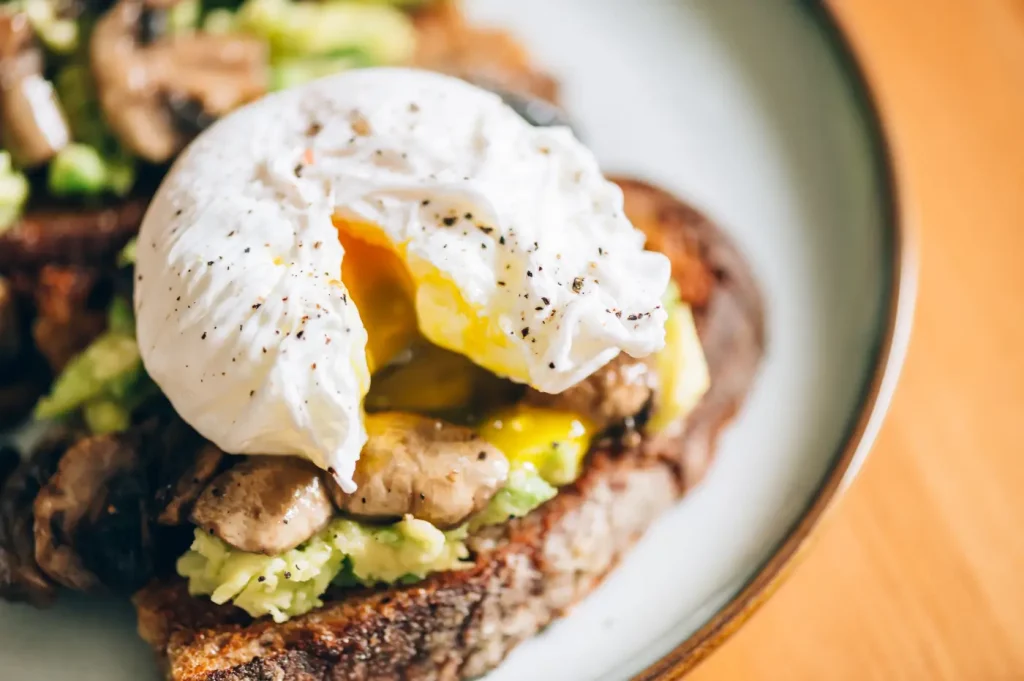
Eggs are always on trend
Eggs remain one of the most versatile ingredients for breakfast. Whether it’s quick scrambled eggs, poached eggs on toast, an omelet or a frittata.
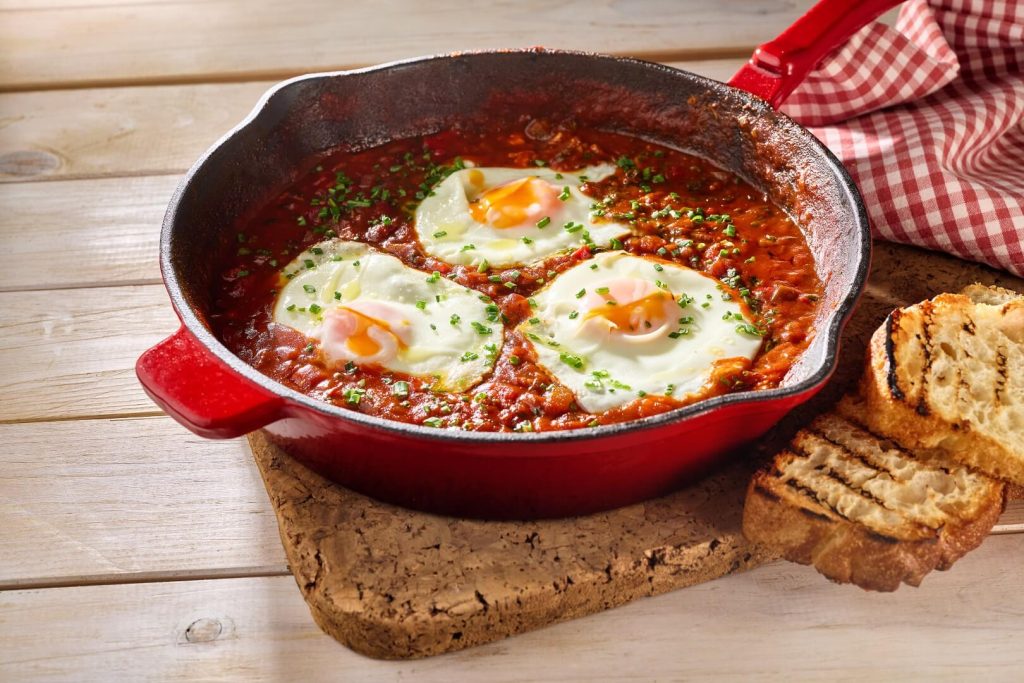
In 2026, dishes that connect classic eggs with more pronounced flavors and global cuisines stand out. Shakshuka, eggs with chili oil, eggs with fermented vegetables, or combinations with hummus and legumes are a good way to refresh the offering without giving up the main ingredient that guests love.
In a local context, eggs can be combined with ajvar, Swiss chard, fresh cheese, smoked trout, homemade bread or regional cheeses. This way, you’ll create a dish that is new enough for guests craving change, yet familiar enough for them to easily choose it.
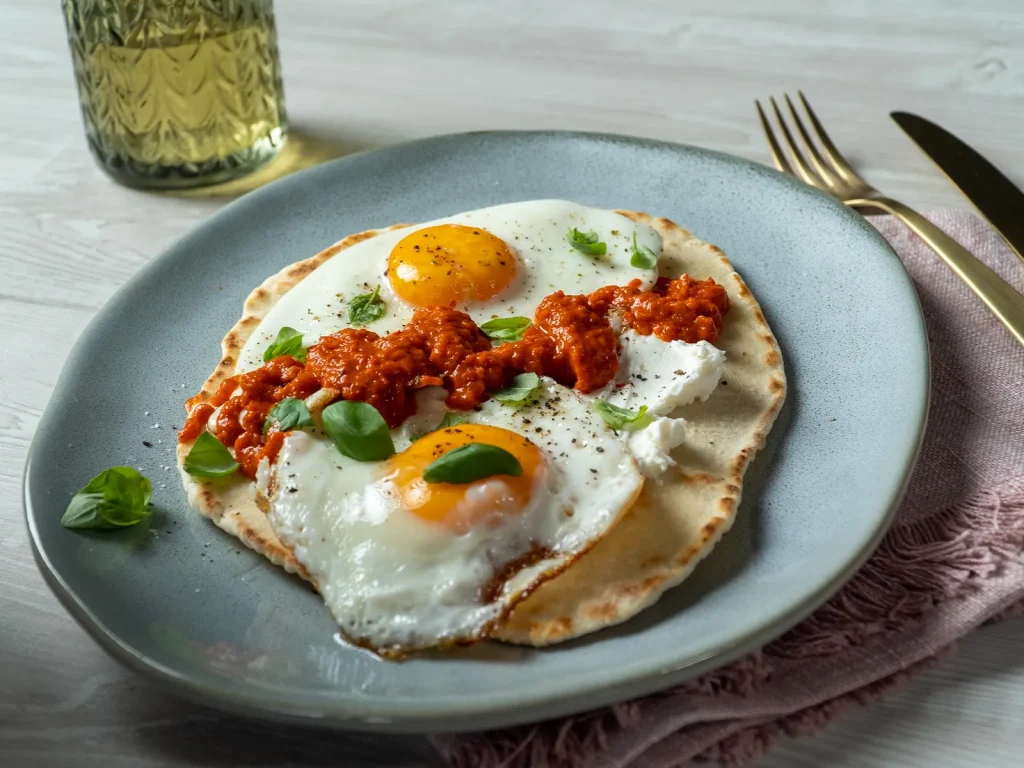
Bowls for a personalized breakfast
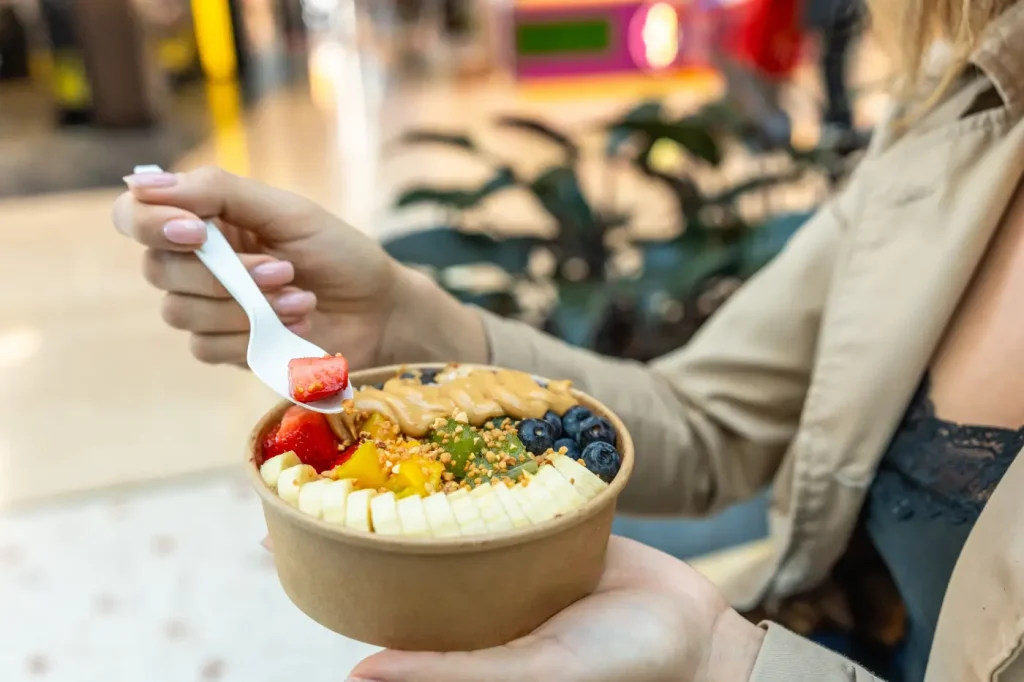
Breakfast bowls gather multiple needs in one format: speed, nutritional value, customization options and appealing appearance. They can be sweet, based on yogurt or oats, but also savory, with eggs, grains, vegetables, legumes and sauces.
The homemade offering can build recognition on seasonal fruits, yogurt and kefir, nuts, honey or carob. The savory version can include chickpeas, tomatoes, eggs, cheese, ajvar, and sourdough bread.
This format also facilitates seasonal menu changes as the base remains the same while the toppings change seasonally throughout the year.
Functional drinks for the morning rhythm
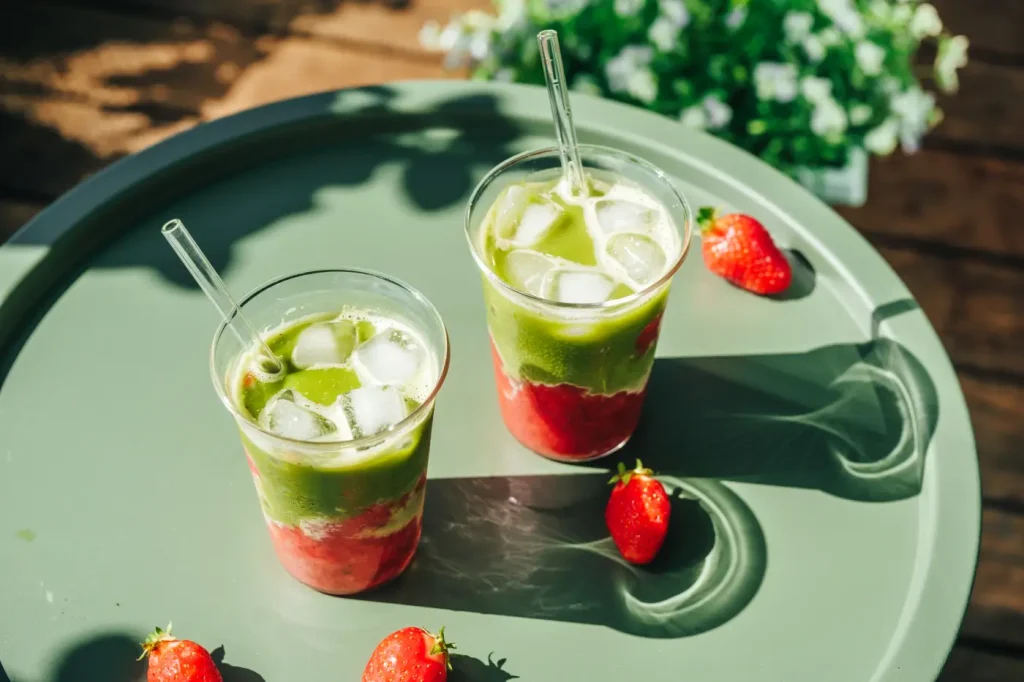
There is a growing interest in beverages that offer additional value along with flavor: more protein, fermented dairy bases, less sugar or an alternative to classic coffee.
Kefir smoothies with fruit, protein drinks with espresso, matcha lattes, or seasonal smoothies with oats can accompany breakfast but also function as a standalone, quick meal. However, functionality should not rest on exaggerated health claims. Clear ingredients, good taste and transparent communication are more convincing than marketing assertions.
Weekend brunch as an experience
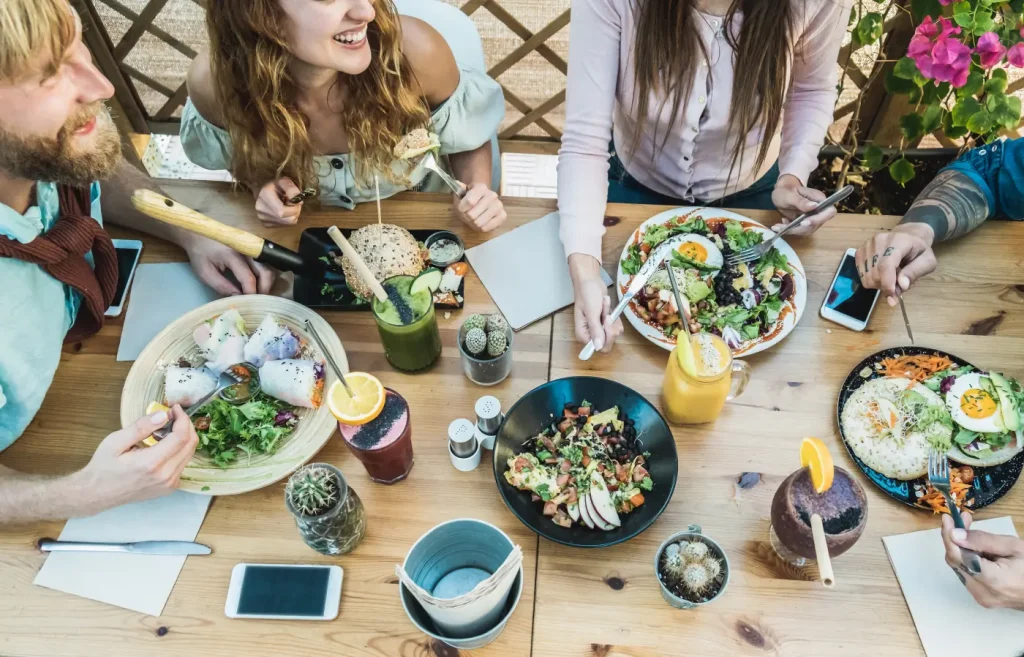
While weekdays demand speed, weekends open up space for a slower breakfast that turns into a social event. Guests are more likely to order multiple courses, share dishes, linger at the table longer and be more willing to try creative combinations.
A brunch plate, various types of eggs, mini pancakes with different toppings, or tasting formats can elevate the average bill value and create a reason to visit. For example, eggs in three ways could include eggs Benedict with prosciutto, poached eggs with ajvar, and shakshuka, while the pancake selection could offer three seasonal toppings.
The visual element is important here, but only if it matches the quality. A dish that looks good on the table and in photographs can attract new guests. They will return for the taste, service and the impression that they received an experience for their money.
Think globally, choose local ingredients
Guests are increasingly open to flavors from other cuisines, but they don’t necessarily want to learn how to eat a new dish every day. That’s why combinations that bring one unexpected element into a format that is already familiar do well, especially when they rely on quality local ingredients.
This could be shakshuka with smoked Vegetable Smoked and homemade bread, toast with egg, kimchi, and smoked local cheese, or oatmeal with miso, sesame and seasonal fruit.
The Croatian market has enough ingredients for a modern yet recognizable breakfast menu: quality eggs, fresh cheese, kefir, honey, olive oil, seasonal fruits and vegetables, nuts, smoked fish, regional cheeses and aromatic homemade bread.
Let trends be your starting point to breathe identity through local ingredients. Combine the best of the trend with the best ingredients available to you, as this will give you your own story that guests can only find with you.
This approach also opens up space for seasonal specials or limited offers. It’s important that the menu clearly explains the ingredients and that the novelty doesn’t become an unnecessary complication: the guest must know what they are ordering, but receive a taste that is different enough that they want to repeat it.
Breakfast for everyone
Breakfast has become an adaptable part of the morning routine. For some, it’s coffee and a pastry on the go, for others, a protein drink after a workout, and for others, a later brunch with multiple dishes.
The way people have breakfast increasingly depends on their schedule, lifestyle, dietary habits, and current needs. That’s why expectations from catering offerings are changing. Guests are looking for practical, portable, and diverse options that can keep up with the fast pace of everyday life while simultaneously providing a sense of enjoyment and a quality start to the day.
A successful offering aims to connect what consumers want with what their morning routine really allows. All aligned with an awareness of health, smaller portions, and caffeine intake.