How to create a brunch menu
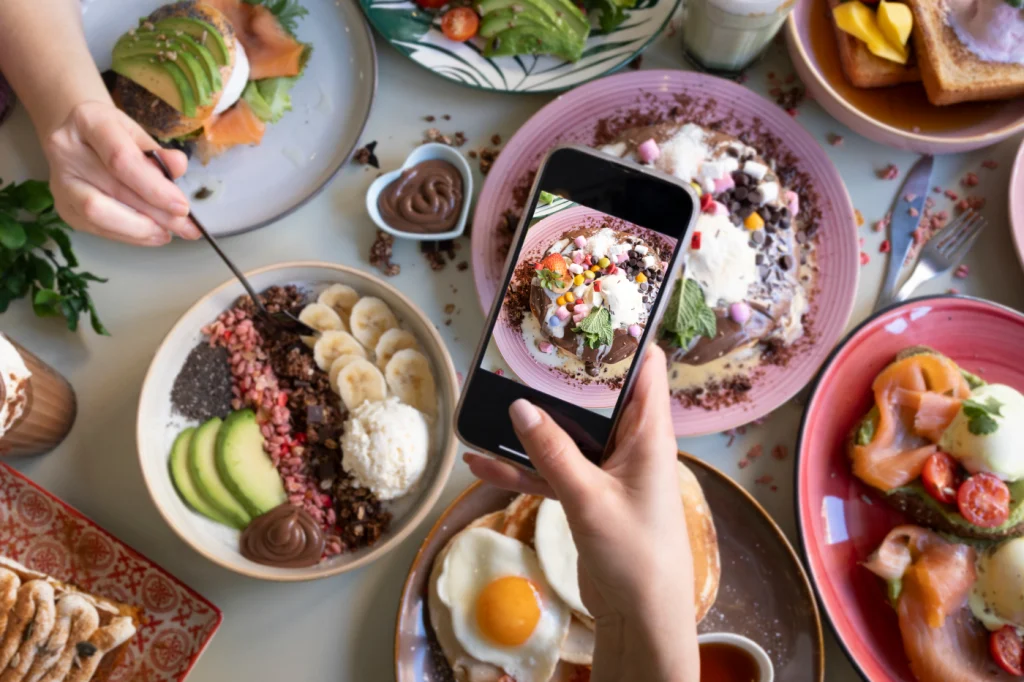
Brunch is a meal between breakfast and lunch, featuring specially designed dishes served from late morning to early afternoon.
In hospitality, it’s not just about the serving time. Brunch is a special format that combines relaxed socializing, quality coffee, drinks, and dishes that give guests a reason to stay longer at the table.
In Croatia, brunch has evolved in recent years from a niche urban trend into an important part of the gastronomic offering, especially in Zagreb and tourist destinations. Local guests most often seek a combination of familiar classics such as eggs, toasts, pancakes, granola, and sandwiches, with clear value for money and offerings that are not just a reflection of international trends.
The chef’s key task is to design a menu that is attractive enough for the guest, but also sustainable for the kitchen during weekend rushes.
Brunch starts in the kitchen, not on Instagram
A brunch plate must look appealing, but its value to the restaurant largely depends on execution. An overly extensive menu, a multitude of special requests, and too many components prepared exclusively before serving quickly create bottlenecks.
Therefore, it is wiser to start with a smaller menu. Five to seven main dishes are enough to test demand, organize procurement, and standardize production. The offering can only be expanded once the kitchen confirms it can maintain speed, quality, and margin during full service.
Preparation in advance, good organization, and clearly divided workstations are key to controlling the peak during brunch.

Before composing each dish, it is worth asking three questions:
- Can most components be prepared before service starts?
- Are we using an ingredient in at least two menu items?
- Can the team consistently issue a dish when ten orders arrive at the same time?
If the answers are negative, the dish may look good on paper, but it is not necessarily a good brunch dish.
Start with a short menu
A good structure includes:
- Two egg dishes.
- Two heartier savory plates.
- One light or plant-based option.
- One to two sweet dishes.
You don’t have to have every brunch category. It is essential that the guest can choose between a substantial meal, a lighter plate, and something sweet with coffee. Also, ensure that you can substitute some components with gluten-free and lactose-free options.

Plan groceries for multiple dishes
A profitable brunch starts with mise en place. Choose ingredients that appear in multiple items: the same bread can go with eggs Benedict, toast, and sandwiches, roasted vegetables can be a side with eggs, a base for a bowl, and filling for a tortilla.
This reduces procurement costs, waste, and service complexity. Sauces, pickled vegetables, spreads, and seasonal additions should be prepared in advance, while eggs, toasting, and plating are finished during service.
Keep the classics, but add a local touch
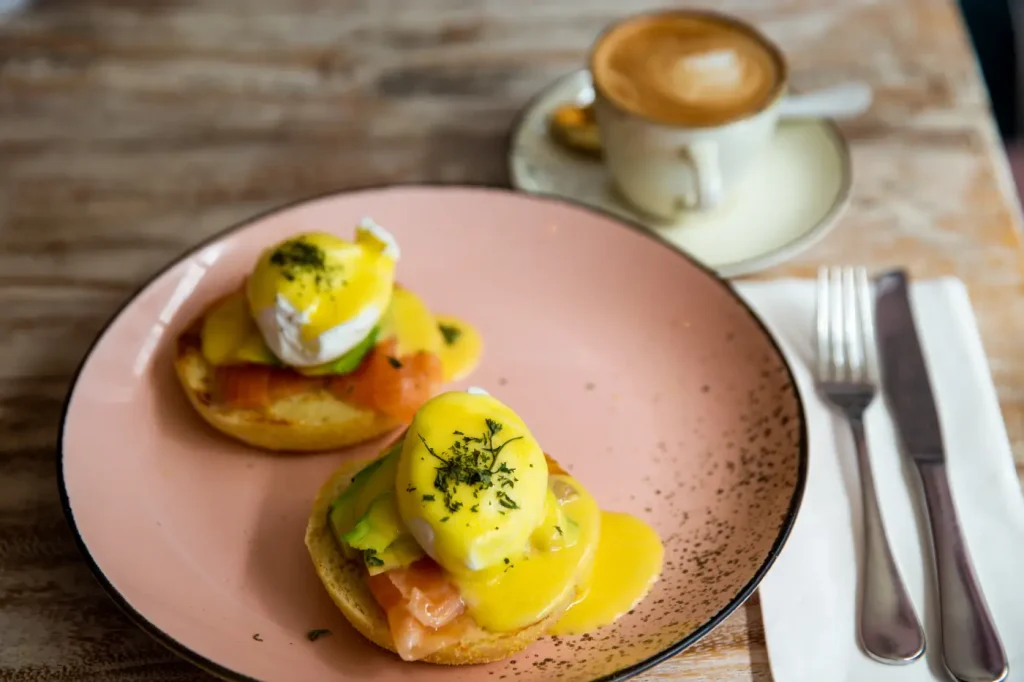
Eggs Benedict, shakshuka, avocado toast, pancakes, and granola are familiar dishes to guests. Instead of avoiding them, adapt them to your kitchen and local ingredients.
For example:
- Eggs Benedict with smoked trout and Swiss chard.
- Scrambled eggs with cottage cheese, mushrooms, and green onions.
- Toast with roasted tomatoes, fresh cheese, and pumpkin oil.
- Brunch sandwich with roasted pork, sauerkraut, and horseradish.
- French toast with cottage cheese, figs, and walnuts.
Local does not have to mean that every dish looks traditional. It is enough for an ingredient, flavor, or preparation method to make sense for the locale, season, and audience, that is, the environment in which it is served.
Work in accordance with the season
Seasonal additions allow you to refresh the offering without changing the entire menu. In spring, use asparagus and strawberries; in summer, tomatoes, zucchini, and figs; in autumn, mushrooms, pumpkin, and pears; and in winter, apples, root vegetables, and heartier meat elements.
Introduce one limited weekend special and monitor sales, preparation time, and waste. Brunch is a good format for testing dishes before adding them to the permanent offering.
Don’t forget the drinks
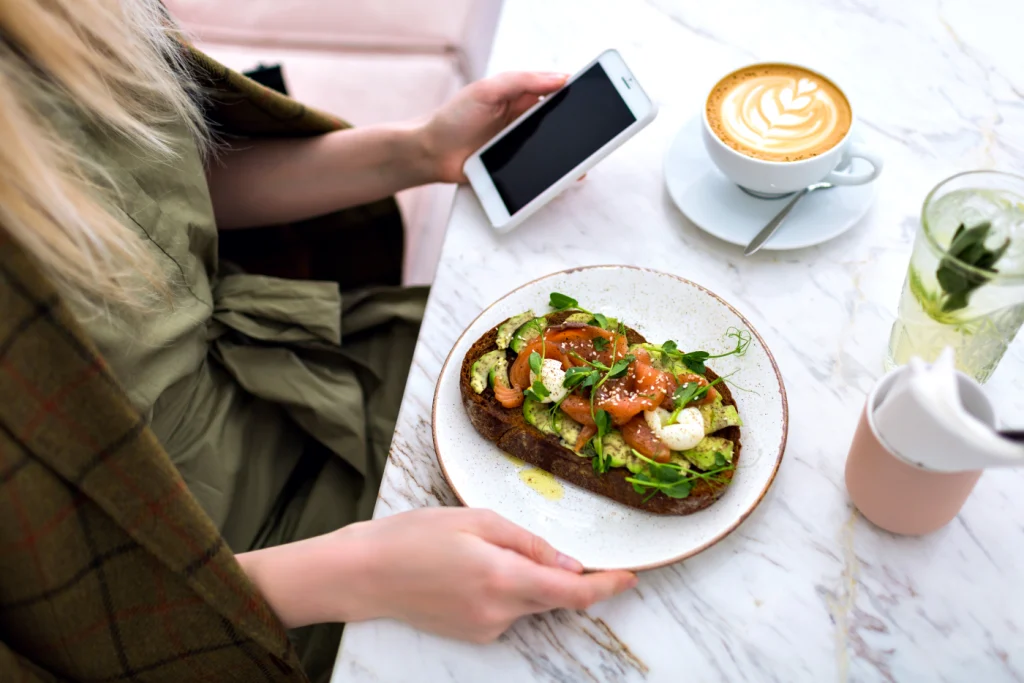
Far from making brunch solely about food. A guest coming for a late breakfast often expects quality coffee, fresh and light beverages, and part of the audience also expects a cocktail as part of their weekend ritual. Therefore, the drink offering must be as thoughtfully crafted as the menu.
Along with espresso and milk coffee, consider cold brew or seasonal iced coffee. In the non-alcoholic offering, fresh juices, homemade iced teas, kombucha, smoothies, and non-alcoholic spritzers work well.
If the concept of the venue supports it, a limited number of brunch cocktails can increase average spending without creating an unnecessarily complex bar.

However, keep in mind that the pace should be adjusted to the space. Brunch in a city bistro may mean faster table turnover, while a restaurant with a terrace and a view can expect longer guest stays. The menu, number of seats, kitchen capacity, and reservation policy must work together.
Measure what happens during service
The best-selling dish does not necessarily have to be the most profitable. If a dish sells well but blocks the egg station, has too many components, or creates waste, it needs to be simplified. Conversely, if a seasonal special sells poorly but has a good margin and utilizes existing ingredients, it may need a better description, photo, position on the menu, or server recommendation.
A good brunch menu is not the one with the most trends, but the one that guests are eager to order, the team can execute well, and the restaurant can profitably repeat every weekend.
The Croatian gastronomic scene does not need copies of foreign menus; it needs brunch concepts that understand local habits, seasonal procurement, and the real working conditions of a professional kitchen.