How Gen Z chooses where to eat
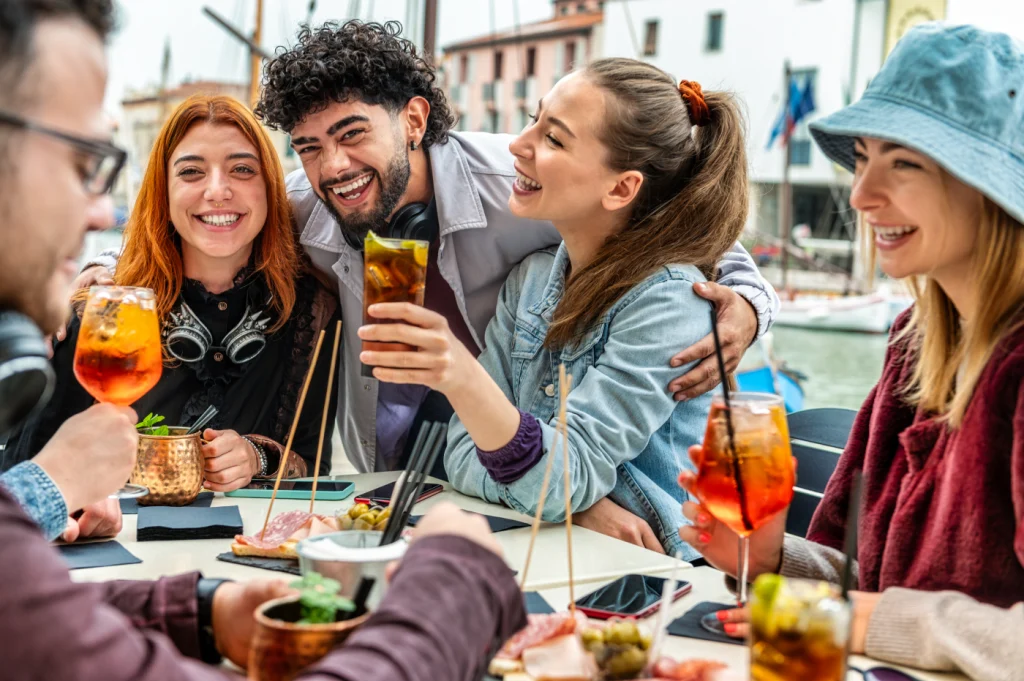
Taste, aesthetics, atmosphere, and story. Generation Z chooses restaurants through extensive research on social media and among recommendations from their friends and trusted influencers.
Food holds strong social value for them. They will share several different dishes at the table, send photos to friends, post on social media, and recommend to their community. The restaurant they choose becomes part of their taste, lifestyle, and personal identity.
You can imagine that visual impression plays a significant role in all of this. Attractive presentation, well-designed space, clearly told concept, and consistent communication create an experience that guests remember. A quality plate remains the foundation, while every detail around it shapes the overall perception of the restaurant.
It’s not just about eating well
Younger guests think carefully about where to spend their money. When choosing a restaurant, they assess the quality of the food, atmosphere, prices, location, service, and the opportunity to experience something different from their everyday diet. This doesn’t mean that every dish has to be theatrical or Instagrammable at all costs. It means that the offer must have a clear reason for existence.
Therefore, the kitchen needs to have a clear answer to the question: why should a guest come here? The answer could be a seasonal ingredient from a local producer, house fermentation, a recognizable sauce, a modern interpretation of a classic dish, a specific cooking technique, or a strong connection to local gastronomy. What makes you different.
Value is built through consistency. A good dish, accurate information about ingredients, reliable service, and a space with character create a reason for recommendation and return visits.
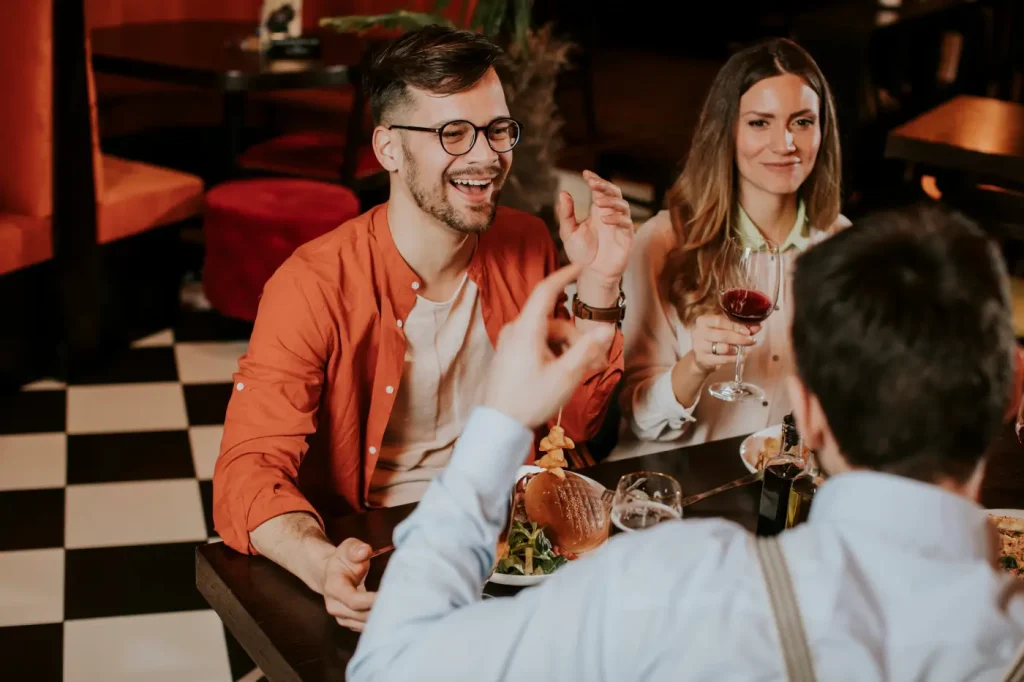
Smaller portions and more sharing
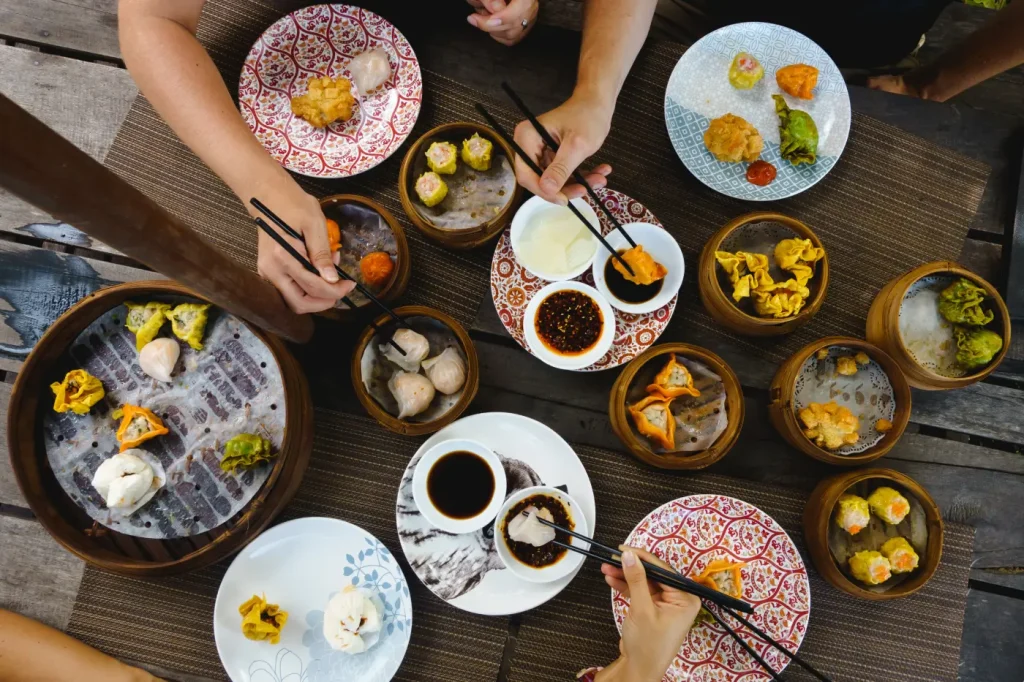
The flexibility of ordering suits guests who want to combine flavors, adjust the amount of food, and manage the bill more easily. Smaller plates, shareable portions, and tasting menus give guests more choices within a single visit.
This approach is linked to snackification, a term designed to describe the eating habits of this generation, which refers to smaller, more frequent, and convenient meals. In a restaurant context, it opens the door for a menu made up of several smaller dishes, rather than exclusively the classic division into appetizers, main courses, and desserts.
Kitchens can apply this approach through:
- Small dishes with full gastronomic value.
- Shareable plates, such as dumplings, seasonal vegetables, small portions of pasta, or grilled dishes.
- Smaller portions of selected main dishes.
- Tasting combinations of several courses.
- Clear labels for portions for one person, sharing, or supplementing the main dish.
This way, guests can try more flavors, and the restaurant can showcase the breadth of its cuisine through more plates, ingredients, and techniques.
The solo guest is important too
Dining alone in a restaurant is becoming an increasingly visible part of urban food culture. The solo guest deserves an equally quality experience as a couple or a group. Practical portions for one, comfortable seating at the bar or by the window, and a well-organized service pace make a big difference.
The menu can include short stories about dishes, ingredients, and suppliers, chef recommendations, or suggestions for food and drink pairings. Such elements provide guests with additional content while waiting between courses.
Some restaurants introduce illustrations, questions, short quizzes, and other discreet interactive elements into the menu. Every detail should match the tone of the restaurant, its target audience, and the experience it wants to provide.

Plant-based and adaptable options
Generation Z does not necessarily expect every restaurant to be vegan, gluten-free, or dairy-free. However, they do expect that the restaurant understands dietary needs and preferences without stigma, complications, or improvisation. Younger European consumers often associate plant-based diets with healthier choices, as noted in a study conducted among young people aged 18 to 24 in five European countries. The study was conducted by EIT Food, a leading European innovation community for the food sector operating under the European Institute of Innovation and Technology (EIT), an EU body.
The kitchen needs to differentiate dietary styles and health needs. Vegetarianism and veganism often stem from personal choice, while gluten-free and dairy-free diets may be associated with intolerances, allergies, or other health circumstances. Clear labeling of ingredients and allergens is part of professional service.
Plant-based dishes should have their own identity. Seasonal vegetables, legumes, mushrooms, grains, fermented elements, and well-developed sauces give them flavor, texture, and nutritional value.
The kitchen can start with several concrete steps:
- Introduce at least one strong plant-based main dish.
- Clearly label ingredients and allergens.
- Mark dishes that are naturally gluten-free and those that can be adapted.
- Educate staff about ingredients and possible restrictions.
- Align communication with guests to the actual capabilities of the kitchen.

Drinks must have character
Drinks are a big part of the experience, but an interesting drink menu should not assume that every guest wants alcohol. Generation Z shows interest in low or no-alcohol options, and in 2025, it was reported at the Beverage Forum Europe that 71% of European consumers are reducing their alcohol intake. They will not be satisfied with just lemonade with two mint leaves in a wine glass.
A well-thought-out non-alcoholic offer can include:
- Kombucha, craft iced teas, and other homemade beverages.
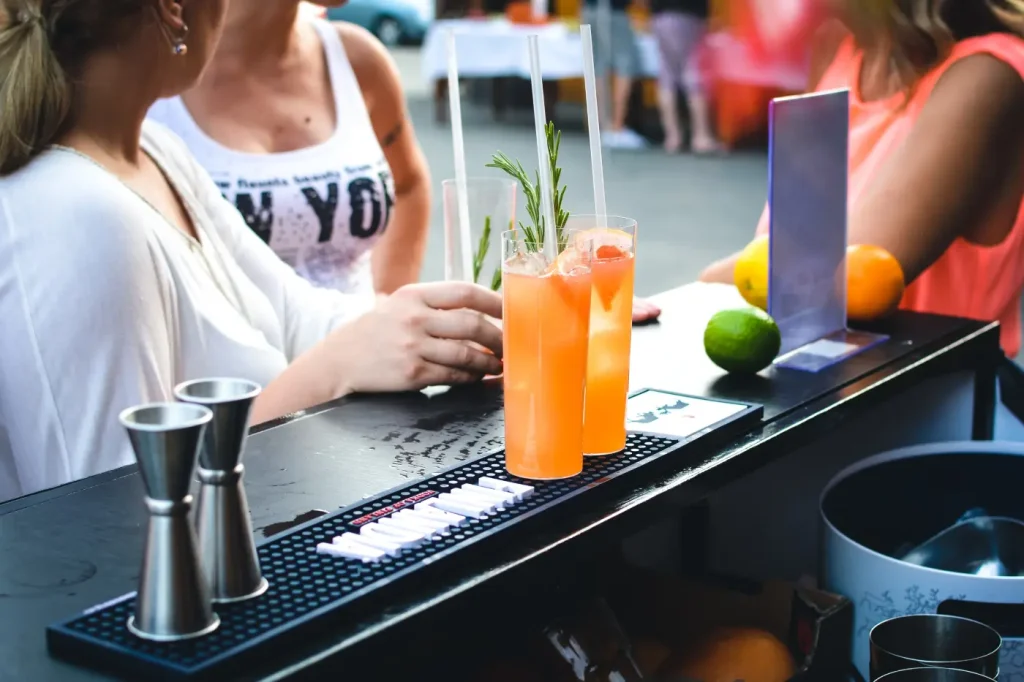
- Signature non-alcoholic cocktails.
- Coffee, matcha, or tea in a format that fits the restaurant’s identity.
- Non-alcoholic pairings with the tasting menu.
The goal is not to copy an alcoholic cocktail without alcohol but to create a drink that the guest wants to order simply because it sounds good and tastes even better. The drink menu can also be a space for the chef to collaborate with the bartender: fermented juice from seasonal fruit, soda from leftover citrus peels, or a non-alcoholic aperitif with a small bite can become the restaurant’s recognizable signature.
Story, space and social media
For this generation, a restaurant is a space that must be consistent. Food, interior, music, lighting, staff, messages on the menu, and posts on social media should speak the same language. Not all spaces need to look the same or be “photo-ready,” but it’s important that the intention is felt.
Social media is now a key part of the restaurant discovery process. In a study among Gen Z guests in the United Kingdom, 77 percent indicated that the Instagram or TikTok value of a place is important when deciding where to eat. This data pertains to the UK market but shows the direction of digital behavior among younger guests.
This means several things for the restaurant:
- If you are not on social media, you practically do not exist for part of the audience during the research phase.
- A photo of a dish must be attractive, but the content must also show flavor, process, people, and the origin of ingredients.
- A viral dish may attract the first visit, but the consistency of the kitchen and service determines whether the guest will return.
- An open kitchen, daily specials, working with local producers, seasonal changes, and real people from the team provide content that is more convincing than generic advertising.
- Guests research before arriving: they browse the menu, location, reviews, videos, prices, and atmosphere. Make this task easier for them.
Social media is not an addition to restaurant communication but the first “door” through which guests will enter your restaurant. A good video can attract a guest, but it can also demonstrate the professionalism of the kitchen, the relationship with ingredients, and the character of the team.

A kitchen that listens to guests
Understanding Generation Z does not mean blindly following every viral trend. It means recognizing that young guests seek flexibility, transparency, flavor, experience, and a reason to give the restaurant their time and money.
They will order delivery more often than previous generations, but at the same time, they still value the physical restaurant experience when it has quality and a good story. The atmosphere of the restaurant, warmth of service, rhythm of the dinner, aromas from the kitchen, and feeling of welcome remain strong advantages of the physical restaurant experience. It is in these elements that a relationship is built that digital delivery can hardly convey.
Generation Z is also becoming an increasingly significant part of the workforce in hospitality. The simplest source of insight may already be in your team. Ask the younger members of your team what they order, how they choose a place to go out, what content catches their attention, and why they return somewhere.
Talk to them. Not to chase trends, but to better understand the guests who will increasingly shape the restaurant industry.