In focus: solutions for a quick summer menu
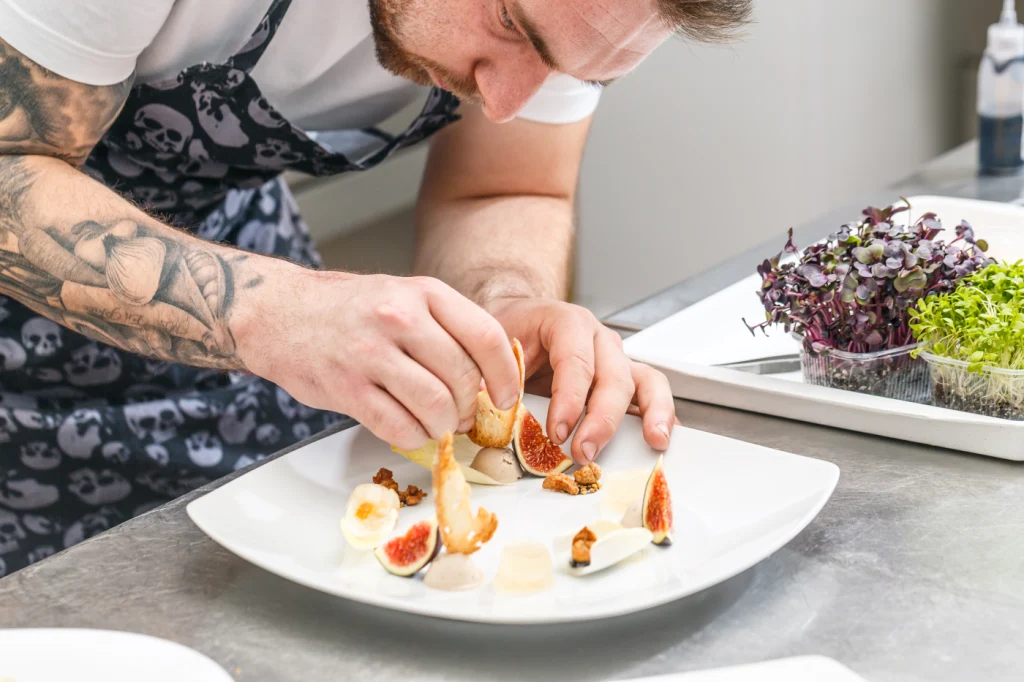
During seasonal changes, the key is in a simple and consistent process.
Preparing the seasonal menu involves starting to plan with locally available ingredients, rotating about 20-30% of dishes, and planning several weeks in advance to ensure proper staff training and ingredient procurement.
Start with ingredients in peak season
The first step is to identify what is truly in season right now.
Explore what ingredients are currently being grown in the Mediterranean and your area, visit local markets, and talk to producers. Look for ingredients that are abundant. They bring maximum freshness, stable quality, and often a more favorable price.
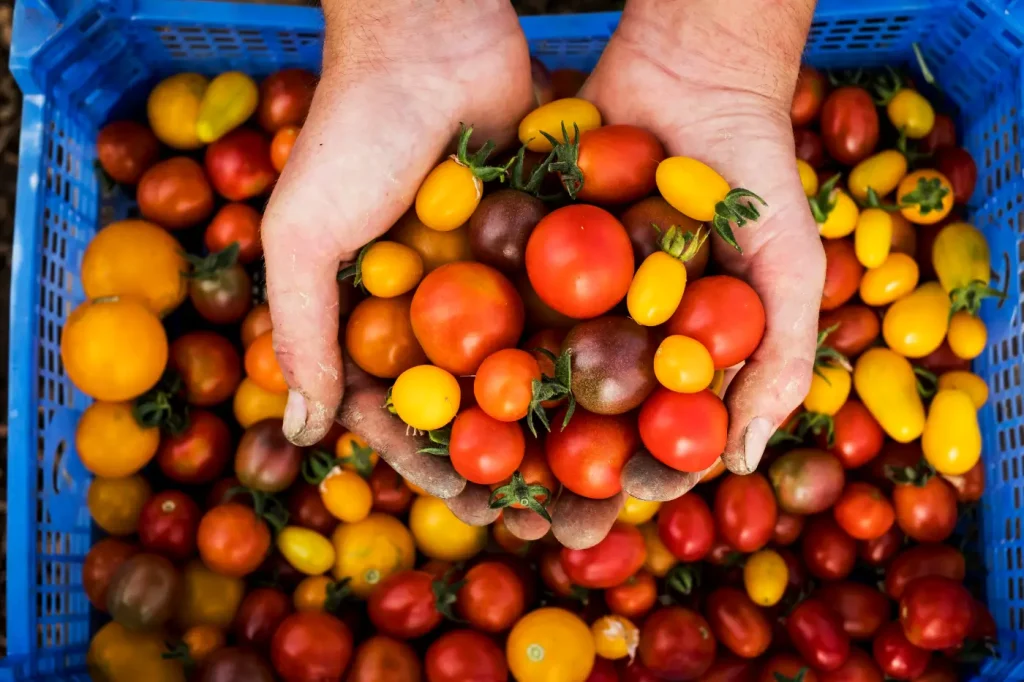
Along with fresh ingredients, you can also rely on ready-made products that support you in seasonal cooking.
The red program (passata, pelati, chopped tomatoes, tomato concentrates) and dried herbs and canned pickled vegetables allow you to pair natural seasonal ingredients with industrial bases without compromising the balance of flavors.
Besides main dishes, in the Podravka range, there are also products that assist in pastry preparation, which prevent the risk of using fresh eggs.
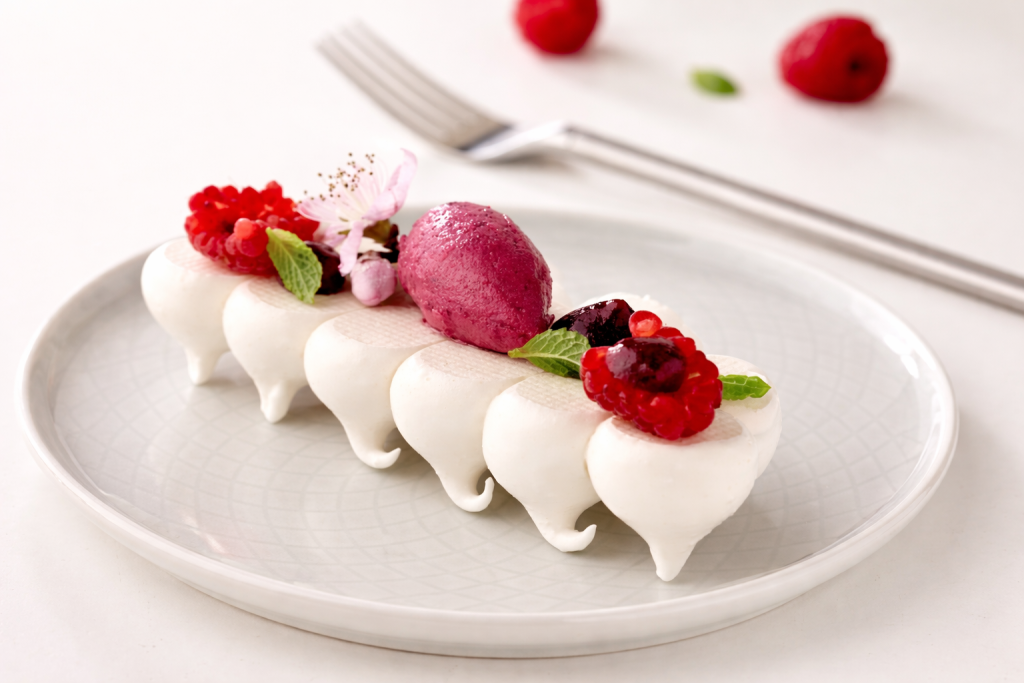
Pair seasonal proteins and beverages
Seasonal vegetables and fruits are ideally paired with proteins that match the time of year: lighter fish dishes in summer, richer roasts in winter.
Along with them, plan seasonal or local wines to round out the offer and the story on the plate. This way, the guest’s dish becomes a complete story. What they see on the plate corresponds to the time and place where they are eating.
Rotate 20-30% of the menu, not all at once
A good seasonal menu is not a complete revolution, but a smart rotation.
Keep the most popular and recognizable dishes that guests expect while introducing 20-30% new seasonal options. This ensures continuity for regular guests and enough novelty for tourists and new visitors.

Seasonal specialties – appetizers, main dishes, desserts, and beverages – should be included as daily or weekly offers. This will be a good test to see guest reactions, track sales, and only the most successful ideas should later be included in the permanent menu.
Cost calculation and procurement planning
A seasonal menu is successful only when it is well financially planned. Maintain good relationships with farmers, fishermen, and specialized producers to ensure a stable supply of seasonal ingredients and achieve better prices.
For each new dish, analyze the cost of ingredients and adjust the selling price to maintain the desired profit margin.
Seasonal ingredients often allow for lower costs and greater profitability, but only if procurement and calculations are clearly organized. Estimate expected demand to reduce waste while ensuring sufficient quantities during the introduction of the new menu.
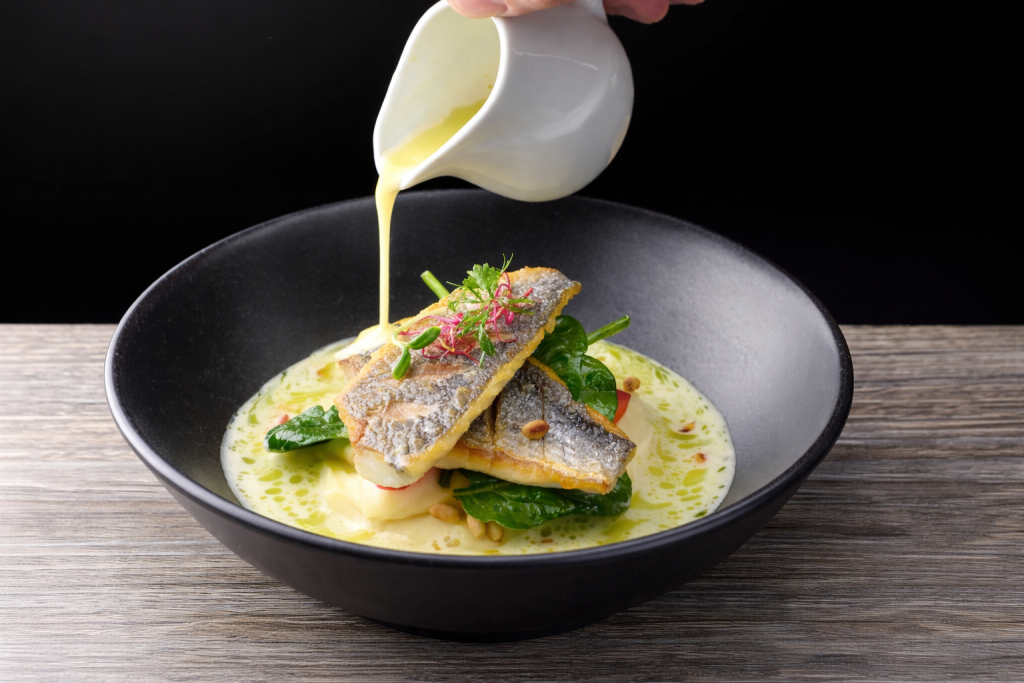
Standardize procedures and staff preparation
Introducing a seasonal menu requires a prepared team.
Plan several weeks in advance to ensure staff training and timely procurement of ingredients. Document recipes, portion sizes, serving, and preparation procedures so that quality remains consistent across all shifts, regardless of who is in the kitchen.
Standardized processes make work easier: every team member knows how the dish is prepared and served, and the guest receives the same standard from the first to the last day of the season.
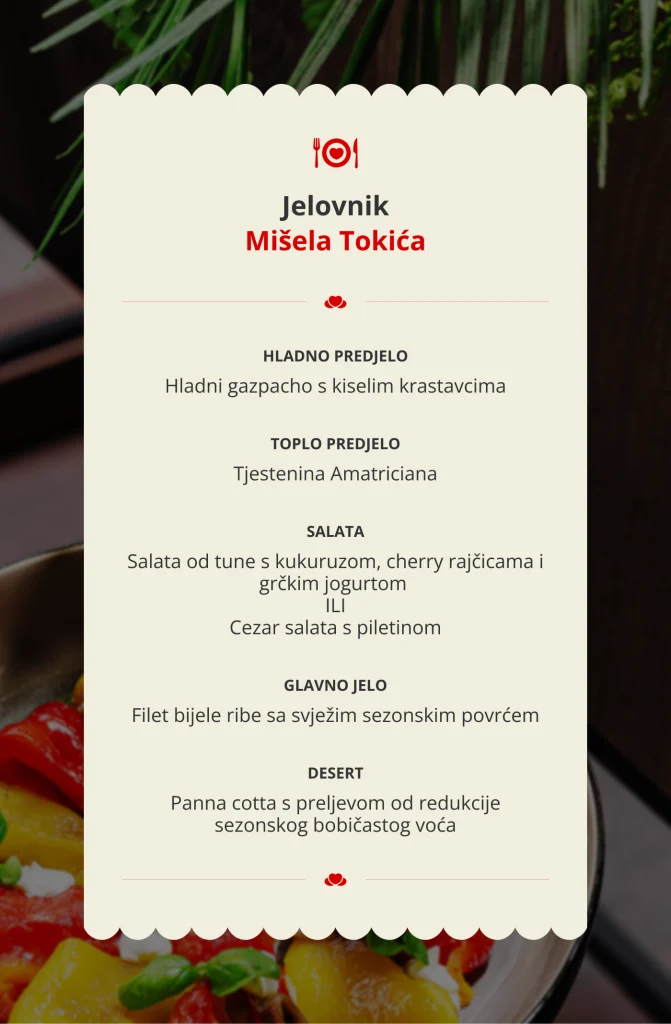
Example of a seasonal menu
One possible seasonal menu that combines the Mediterranean, the Red Program, and fresh ingredients, along with all the advice you have read, was prepared by Podravka chef Mišel Tokić.
This structured approach allows the seasonal menu to be sustainable for the kitchen, interesting for the guest, and profitable for the business.