HACCP: how to avoid common mistakes during summer

Summer is the season of full terraces, fast service, and open refrigerators. An ideal ground for good gastronomy, but also for poor HACCP decisions. High temperatures accelerate food spoilage and the development of microorganisms, while at the same time the volume of work increases, refrigeration devices are opened more frequently, and seasonal staff who are just learning the procedures enter the kitchen. In such conditions, consistent application of the HACCP system is more important than ever.
Most common HACCP mistakes and quick solutions
1. Keeping ingredients outside the refrigeration chain for too long
In fast service, ingredients often remain at room temperature longer than recommended. This is particularly risky for meat, fish, dairy products and ready-made meals.
How to avoid
- Prepare smaller quantities at a time, keep the rest in refrigeration devices.
- Organize work so that products spend as little time as possible outside controlled temperature conditions.
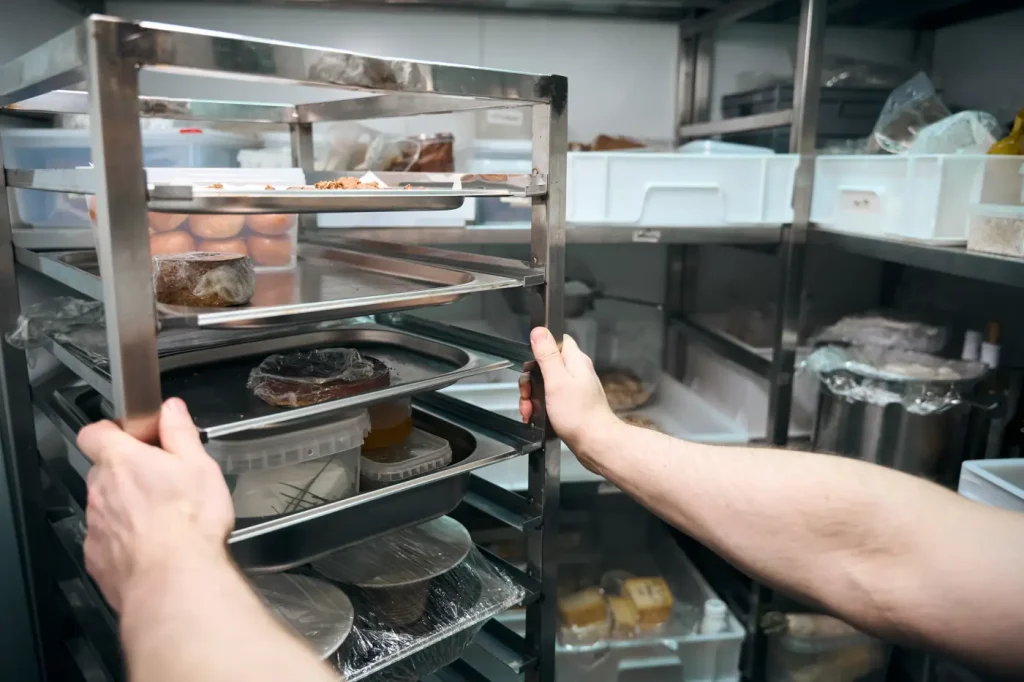
2. Improper cooling of prepared meals
After thermal processing, meals are left to cool at room temperature for too long before being stored in the refrigerator.
How to avoid
- Use shallow containers.
- Divide larger quantities into smaller portions.
- Ensure rapid cooling before storage.
3. Cross-contamination
When the pace in the kitchen speeds up, the same table, knife, or utensils used for raw ingredients are also used for ready meals.
How to avoid
- Clearly separate work surfaces and utensils for different groups of ingredients.
- Regularly conduct cleaning and disinfection during shifts, not just at the end of the day.

4. Insufficient temperature control of refrigeration devices
In summer, refrigerators and freezers are opened more frequently and operate under greater load, making deviations from prescribed temperatures easier to go unnoticed.
How to avoid
- Regularly record temperatures.
- Do not overcrowd refrigeration devices.
- Ensure unobstructed air circulation.
5. Incomplete training of seasonal staff
New employees often start working during peak times, so HACCP procedures are sometimes not explained thoroughly.
How to avoid
- Before starting work, conduct a brief training on hygiene, food storage, temperature control, and personal responsibility.
- Post simple written instructions and checklists in visible places.

How to ensure compliance with HACCP among seasonal or new staff
The best results come from a combination of clear education and simple procedures. New employees should be familiar with the basic HACCP rules from day one, and more experienced team members should provide active support during the first weeks of work.
Short checklists for daily tasks, visual markers at workstations, and regular checks of compliance with prescribed procedures increase the chance that the rules are actually applied, rather than just sitting in a folder. The simpler and more concrete the procedures are, the more likely everyone will consistently apply them.
Practical example
A common poor practice seen during the season is leaving larger quantities of prepared ingredients on work surfaces throughout the service to have them on hand. At first glance, this approach speeds up work, but at the same time increases the risk of food spoilage and deviations from HACCP standards.
On the other hand, a good example of practice is organizing work based on smaller quantities. Ingredients are replenished from the refrigerator as needed during service, while the rest is kept at the prescribed temperature at all times. This system requires somewhat better organization but significantly increases food safety and reduces the likelihood of problems arising.