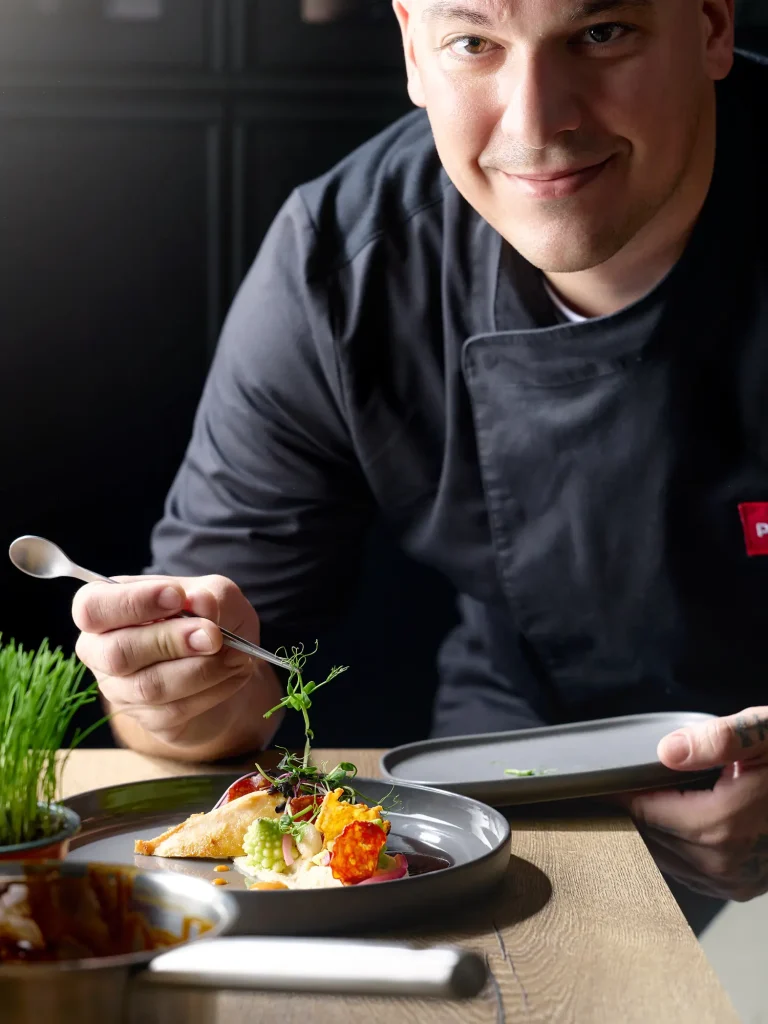
Chef Ivan Bobinac advises: how to maintain quality when the team changes
Changes in the kitchen rarely come at an ideal time. They often happen in the middle of a season, during an important event, or just when every pair of hands is desperately needed. In such situations, the key is not to do everything as before, but to have prepared tools and procedures that help you maintain quality levels, even when the team is changing rapidly.
Our kitchen expert, chef Ivan Bobinac, shares practical tips on how to organize work, transfer knowledge, and smartly use standardized products to reduce risk and stress in the kitchen.
1. Checklists that will shorten the adjustment time for new members
Instead of having a new team member learn everything on the go, pre-prepared checklists can literally serve as a map of the kitchen.
What is worth having on paper or in digital form:
- a checklist for morning mise en place for each workstation (what exactly needs to be prepared, in what quantities, where it is located)
- a checklist of equipment and tools that must be ready before service
- a service checklist: the order of preparation for individual dishes, critical points to watch out for, control points (appearance of the plate, temperature, timing)
When a new cook arrives at the station, they do not have to guess how things are done in your kitchen; they can clearly see what the standard is. This reduces the number of questions, speeds up the onboarding process, and maintains a consistent level of quality and experience for guests. The point of good preparation is that changes in staff composition, even when people are missing, do not reflect on the established level of service.

2. Mentorship as the fastest knowledge transfer
The fastest way for a new team member to catch the rhythm is to have a specific person they can rely on, a mentor.
How this can look in practice:
- designate one experienced cook per shift as a contact point for the new member
- let the mentor walk through key stations, the organization of the fridge, the flow of service, and the unwritten rules of the kitchen with the new team member on their first day
- during the first weeks, have the new cook work alongside the mentor at the same or adjacent station, with brief feedback after service (what went well, where to pay attention)
This way, new people learn not only the recipes but also the pace, standards, and mindset of your kitchen. There are fewer mistakes, greater food safety, and you will assemble the team faster.

3. What to do when someone leaves in the middle of the season
When you lose a person in the middle of the season, the worst thing to do is to try to operate as if “nothing happened.” It is important to maintain calm and stability in the kitchen. The first step on that path is controlled simplification.
Practical moves you can make immediately:
- temporarily shorten the menu, remove dishes with the most critical steps or those that depend on one person
- prioritize dishes that have less room for error and that the new member can master more easily
- agree on a main offer for peak times – a few dishes that you know the team can deliver quickly and safely
Additionally, consciously increase the use of proven, standardized products where they save you time and nerves, such as ready-made sauces, fillings, and ready-made meals. This reduces stress in the kitchen, and guests still receive quality and professional service, regardless of the challenges behind the scenes.

4. Where it makes sense to relieve the kitchen
Standardized products are not the enemy of creativity. They are a safety net in phases of work that are demanding, time-consuming, and prone to error.
Where they particularly help:
- stocks and sauces that require long cooking and precise control (to ensure taste and texture are always the same)
- fillings, stuffings, and bases for dishes that are often prepared in large quantities
- slow dishes like pulled pork, beef, or goulash, where it is easy to make mistakes in texture or flavor intensity
When these phases are “handed over” to proven and technologically stable products, new people integrate more easily because there is less room for serious mistakes. The team can focus on finishing, presentation, and guests, while quality remains stable regardless of who is in the kitchen that day.
Stable quality with the right tools
Employee fluctuation is a natural process; however, you can decide whether each departure will mean chaos or a clear adjustment to new circumstances. Clear checklists, one responsible mentor per shift, and smart use of standardized products turn patching holes into systematic work that protects both the team and quality.
If you want more practical ideas and concrete suggestions on how to incorporate products that make your work easier into your menu, follow our “Expert Corner” and get inspired by new recipes, solutions, and tips from Podravka chefs.