Our chef selects the top 10 seasonal ingredients this summer
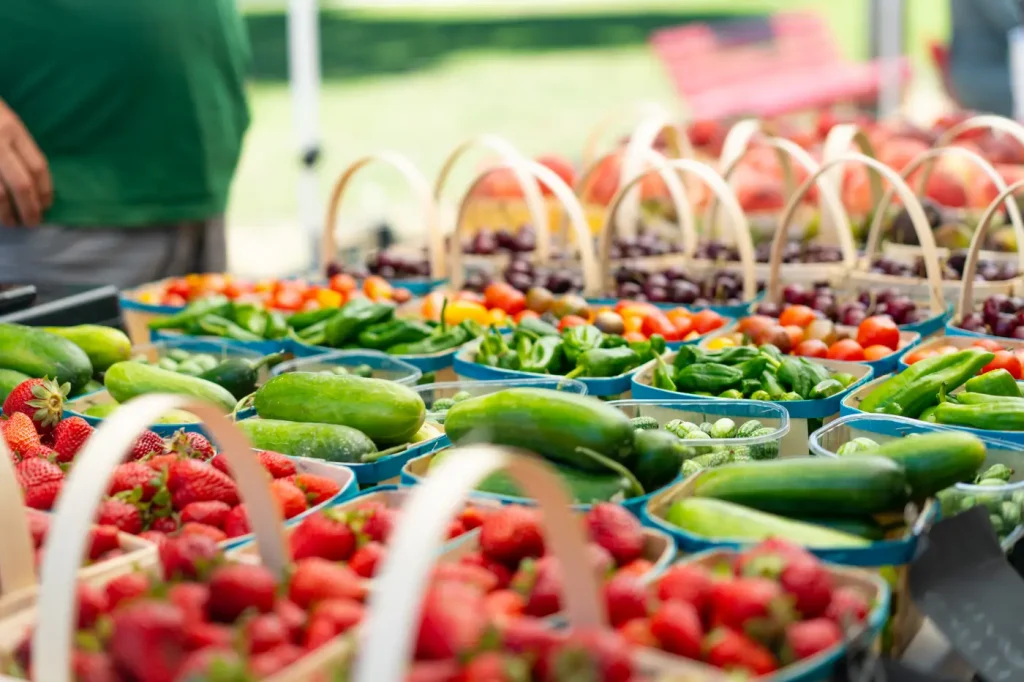
We are at the peak of the season for fresh fruits and early summer vegetables. For professional kitchens, this is the moment when procurement, mise en place and creativity must work together.
Patios are full, guests are looking for something light and seasonal and the chef needs to create menus that are both refreshing and profitable from the available ingredients.
To plan their menus with a clear focus, our chef Marija Bošnjak highlights her top 10 seasonal ingredients that she considers key for this period.
Fruits: the base for desserts, breakfast, and cold dishes
1. Strawberries
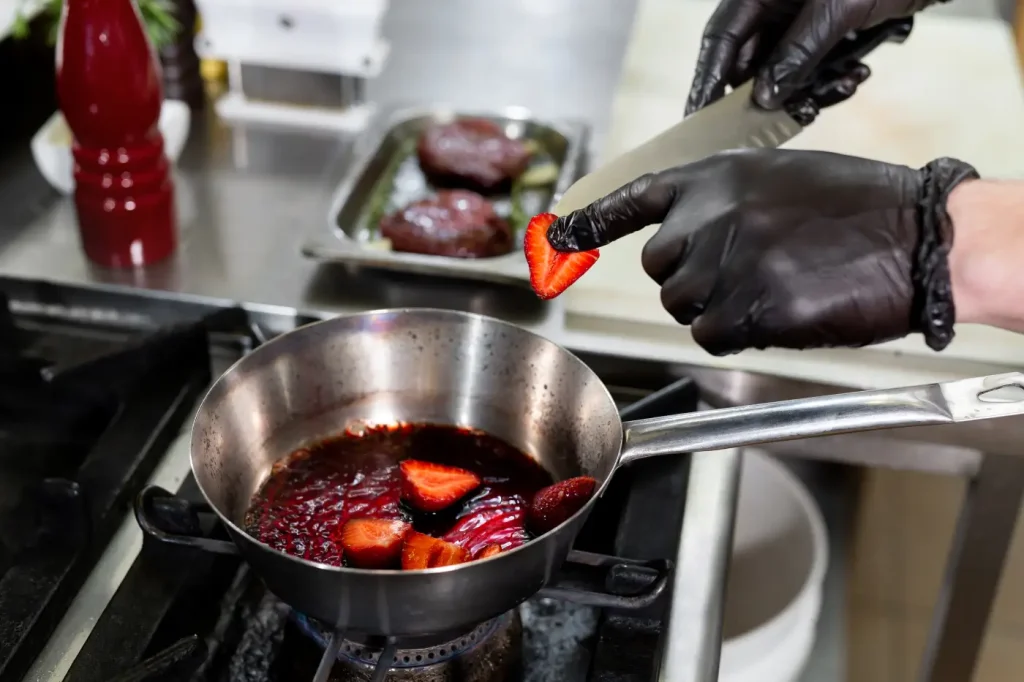
June brings the last, but often the sweetest, homegrown strawberries, ideal for quick desserts, coulis and flavored syrups. In a professional kitchen, they can be used to make gels, powders, or chips and can also be a fresh addition to rustic tarts, panna cotta and breakfasts.
To make the most of all strawberries, consider using leftovers for fermented preparations, vinegar as a base for non-alcoholic cocktails and using strawberry stems in infusions.
2. Cherries
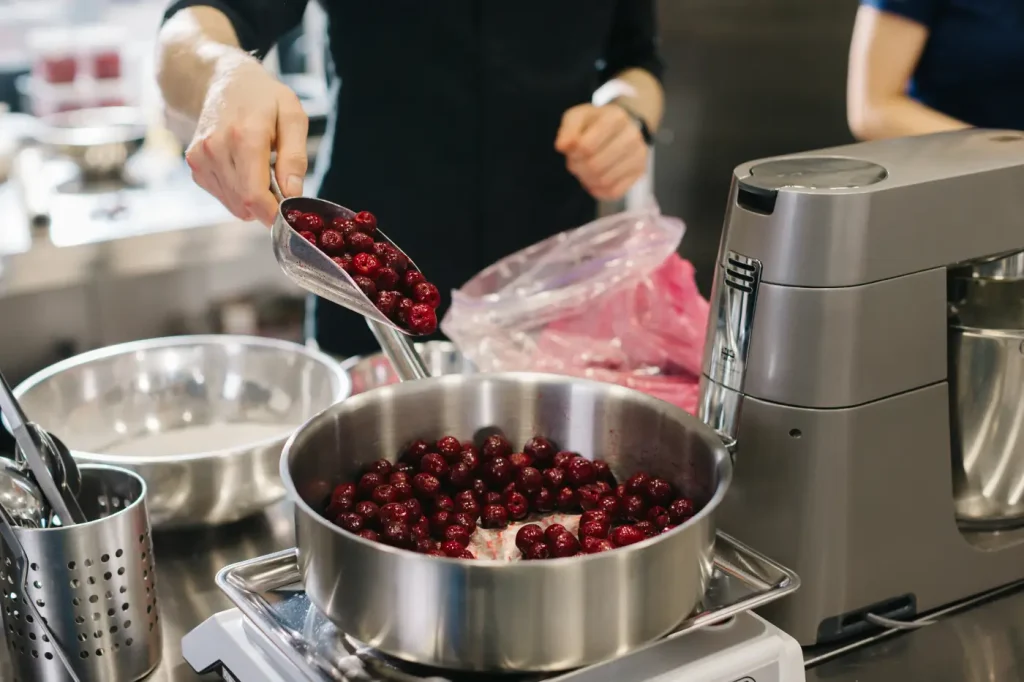
Cherries offer a dense texture and a balance of sweetness and acidity, making them relevant in both savory and sweet dishes. Besides classic pies and strudels, they can be pickled as a contrast to fatty cuts of meat, used in reductions for glazes, or in a smoked version as an element of modern interpretations of tartare and carpaccio.
Pits and stems can end up in infusions and syrups, providing additional flavor without extra cost.
3. Blueberries
At the end of June, blueberries enter the season with a dark aromatic profile and mild acidity.
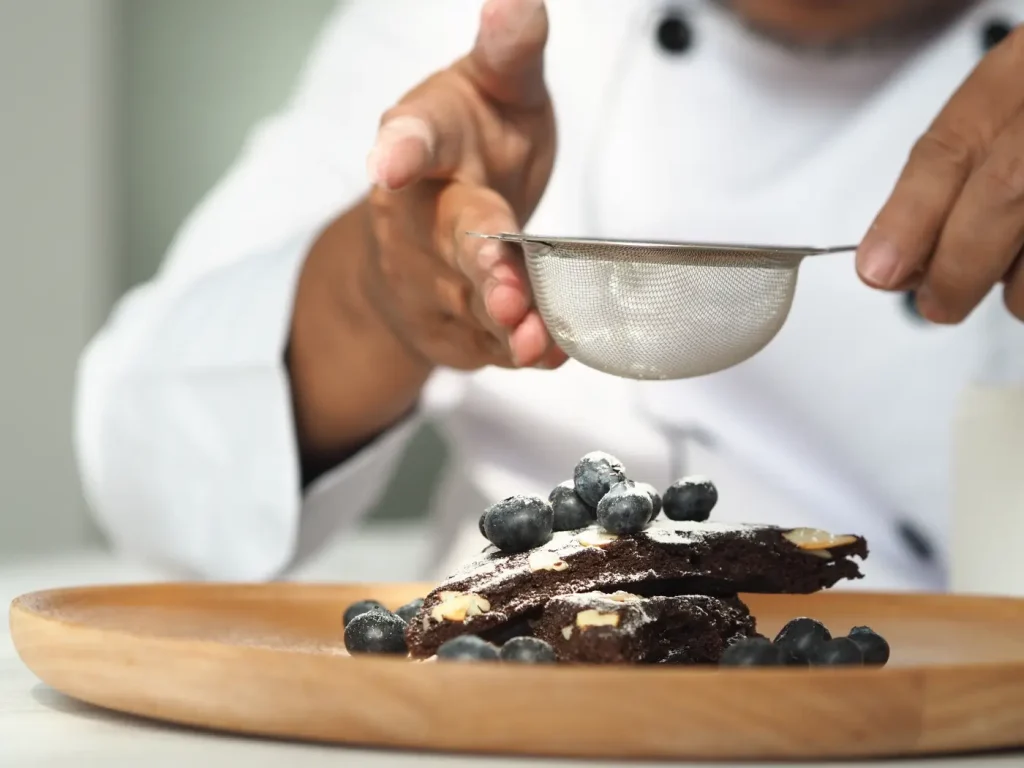
Instead of staying only in morning smoothies, use them for coulis with chocolate desserts, gels with white cheese, or as a contrast in savory dishes. For example, a reduction with blueberries for glazing poultry or venison.
Additionally, freeze-dried blueberries can be a textural element or powder for finishing touches.
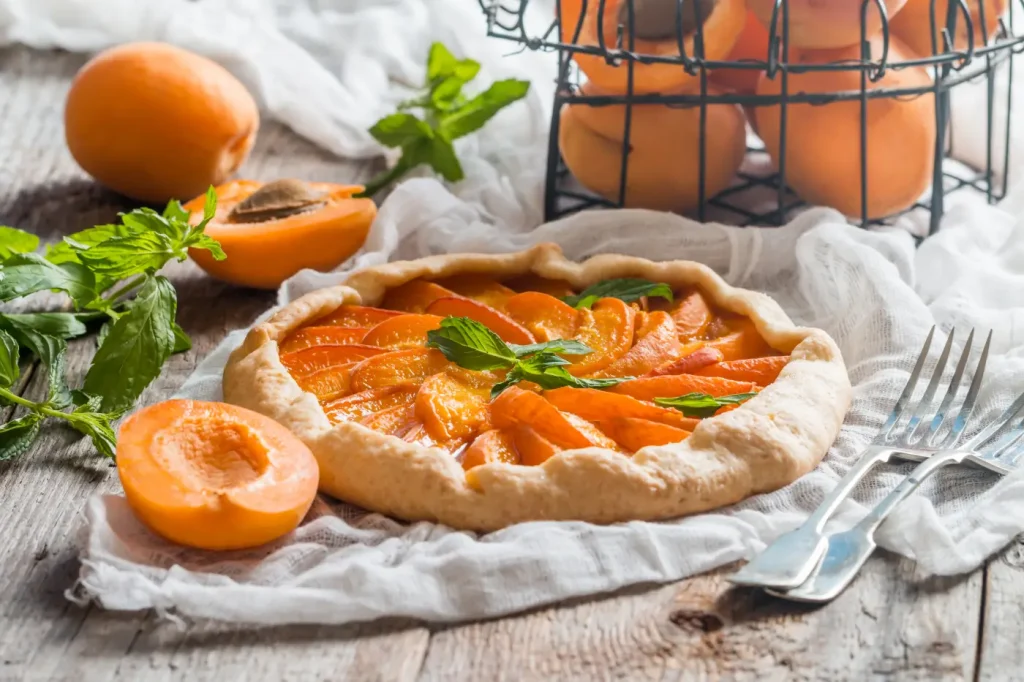
4. Apricots
The first summer stone fruits herald warmer days and bring a distinct aroma with fine acidity.
They work excellently in cakes, but also in chutneys with pork, poultry, or cheeses.
Apricot pits can be used to flavor milk and creams (with caution due to bitterness), and excess fruits can be turned into compotes, jams, or bases for ice creams.
Early summer vegetables: the core of main dishes and sides
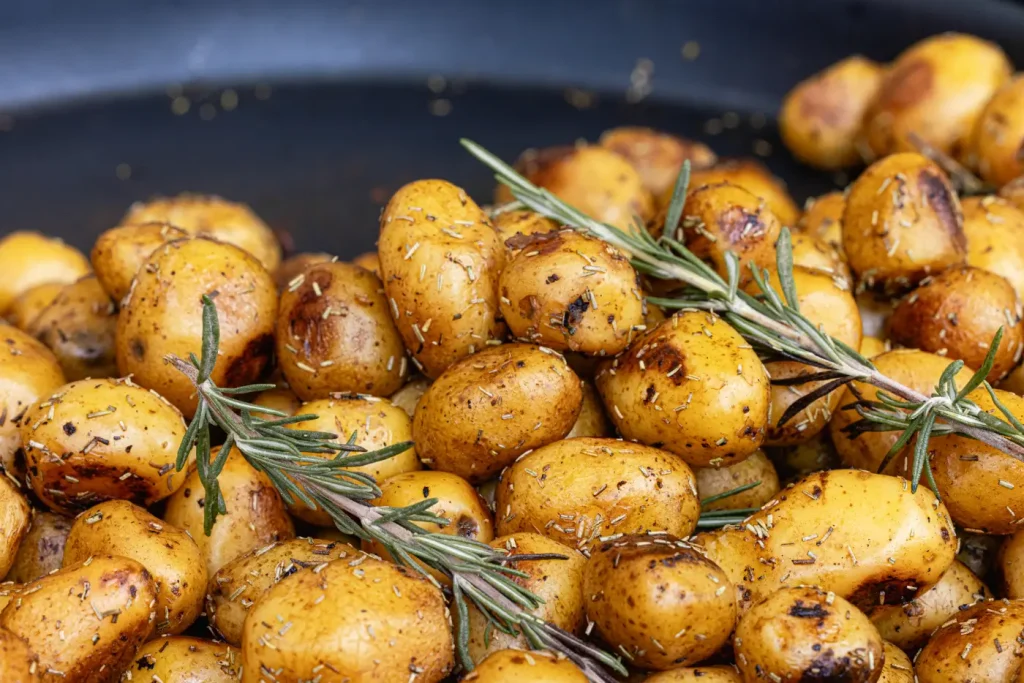
5. New potatoes
New potatoes with thin skin and tender texture are ideal for roasting with rosemary, confit, or briefly blanching and finishing crispy.
Besides classic sides, they can be part of a casserole with zucchini and tomatoes, a modern potato element with fish or meat, or a base for salads.
Utilize the skin and small, imperfect pieces for crispy elements or purées.
6. Peas
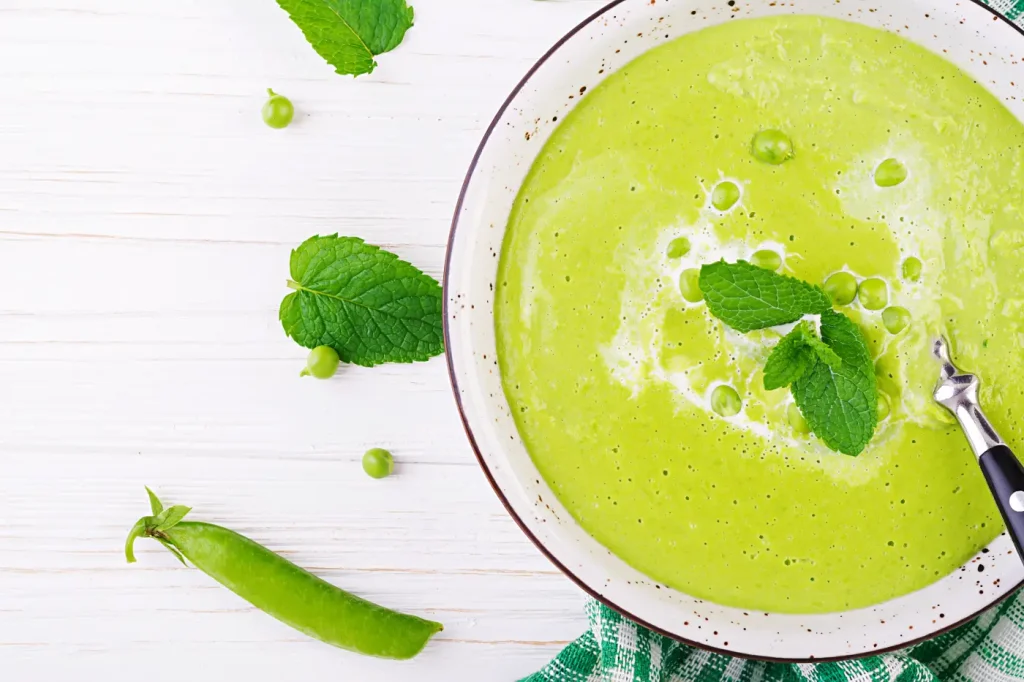
Sweet and crunchy, peas are excellent for light stews, risottos and spring pasta dishes.
In June, you can also use them in cold soups with mint, as a textural element with fish, or in modern reinterpretations of pea stew for daily menus.
Pods and pea shells can serve as a base for stocks, infusions, or decorations.
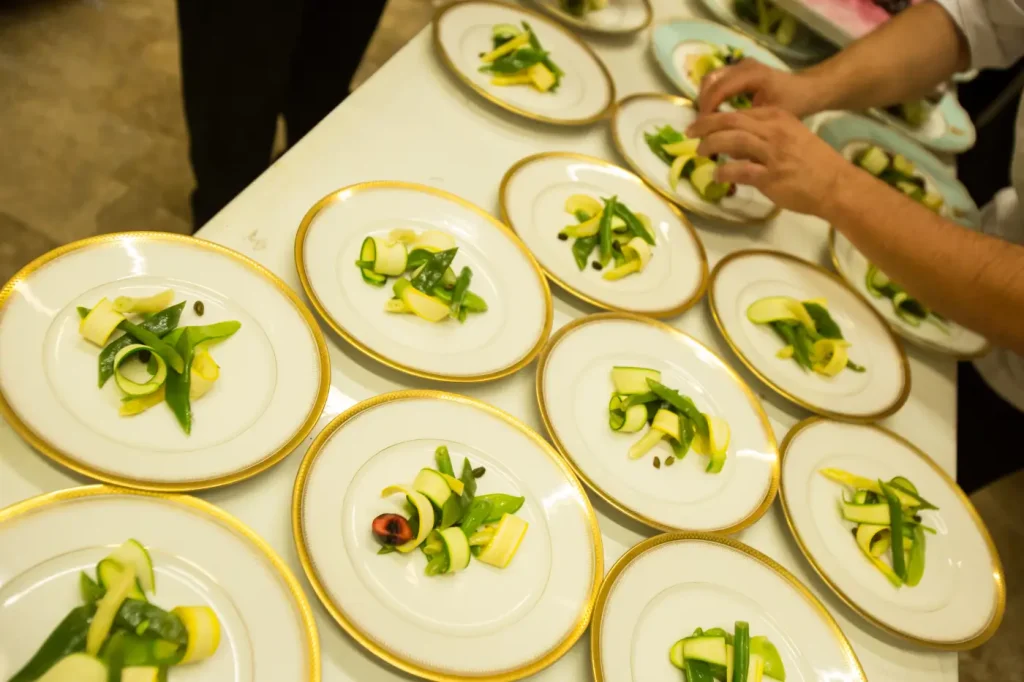
7. Zucchini
Zucchini are a perfect choice for summer meals as they bring a balance of refreshment, nutritional value, and culinary practicality.
They are excellent for grilling, soups, stuffing, carpaccio, and for vegan and vegetarian main dishes.
They particularly stand out in combination with new potatoes, early tomatoes, fresh basil, and young cheese.
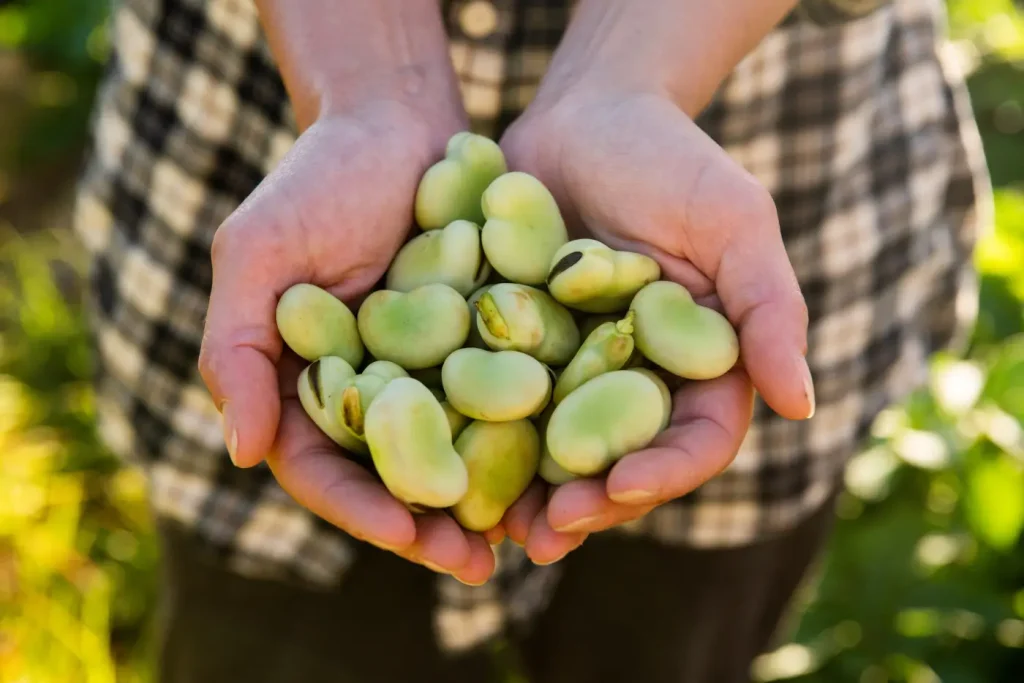
8. Broad beans (fava beans)
At a time when guests are constantly looking for ways to incorporate more protein into their diet – broad beans are the answer. This traditional legume is rich in protein and pairs excellently with Swiss chard and garlic in classic Dalmatian dishes.
You can also use them as a base for spreads, creamy elements with fish, or as part of vegetarian main dishes. Young broad beans can go into cold salads, while older ones serve as a base for stews and spreads.
9. Cucumbers
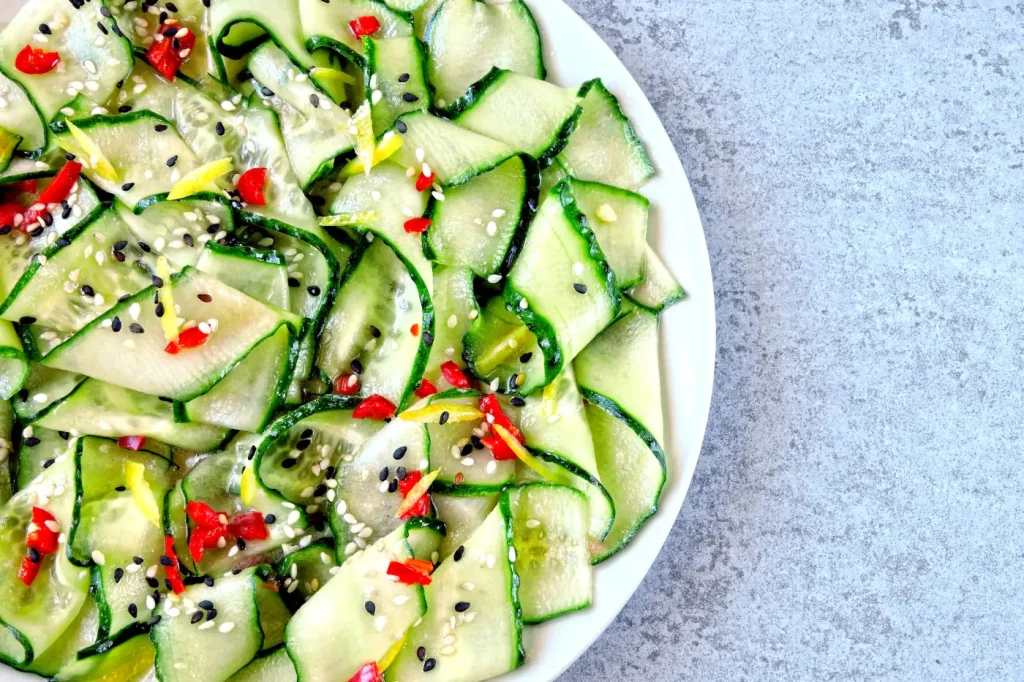
No summer is complete without the freshness and maximum hydration of fresh cucumbers. They are an essential ingredient in summer salads and sauces.
This summer, consider cold cucumber and lime soups, tzatziki, and pickled cucumbers as a contrast to richer dishes. Additionally, cucumbers play a significant role in vegan dishes where they provide freshness and texture.
Peeled or unpeeled versions, different types of cuts (brunoise, strips, carpaccio) change the experience on the plate.
10. Young cabbage
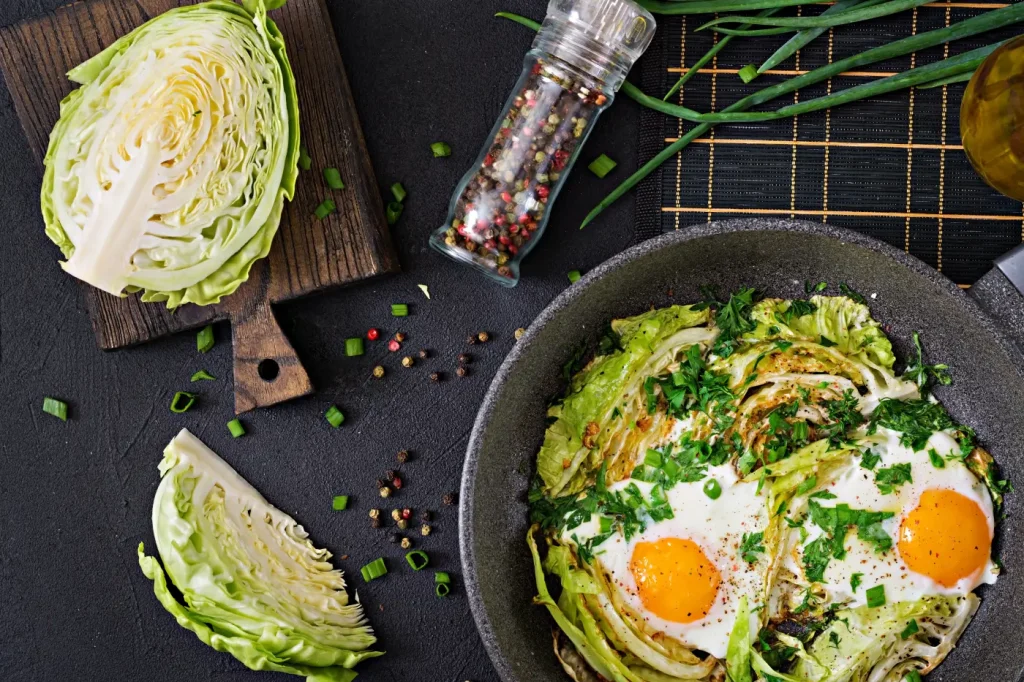
Young cabbage is softer and sweeter than winter cabbage, making it ideal for raw salads, quick stews and wok combinations.
You can use it in modern reinterpretations of coleslaw, as a base for specific salads with protein, or as an ingredient in stuffed dishes. Somewhat unexpectedly, cabbage can also fit into breakfast dishes – combined with eggs.
Preparation tip: brief blanching and quick caramelization will give it an additional depth of flavor.
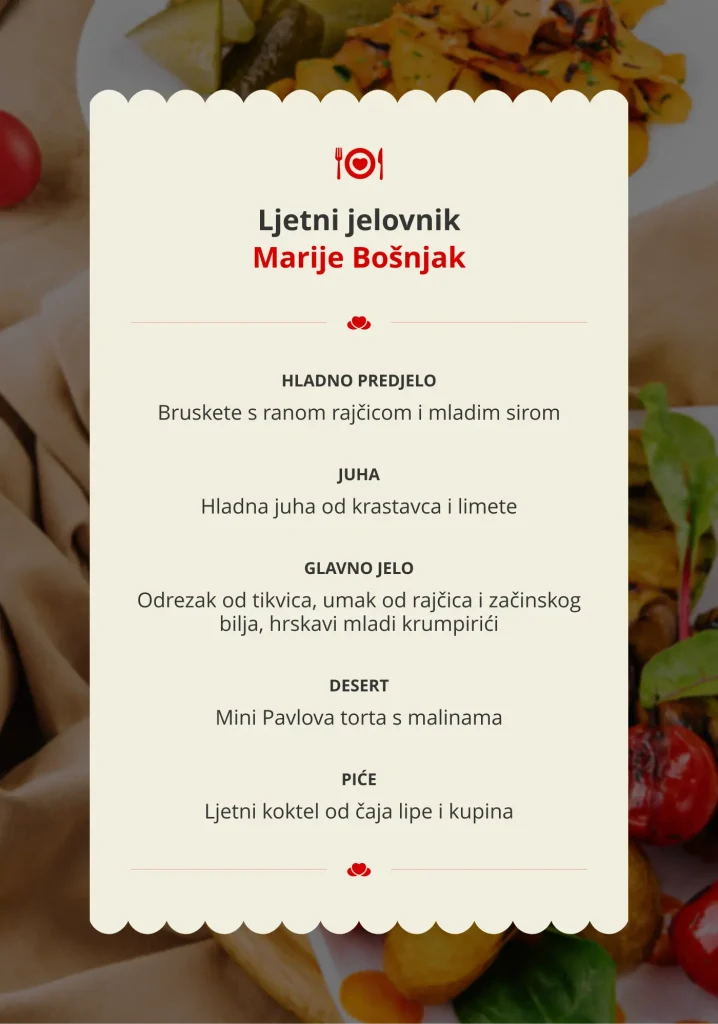
Marija Bošnjak recommends a summer menu
If you ask our chef, her absolute summer number one is zucchini. They are a perfect choice for lazy meals as they beautifully balance refreshment, nutritional value, and practicality in the kitchen.
An excellent pair with zucchini is new potatoes, whether as a roasted side or an addition to casseroles. If freshness is needed, cucumbers bring maximum refreshment. Along with them, early tomatoes combined with zucchini and a little olive oil create the base for a perfect summer sauce.
Zucchini flowers are a special delicacy, and for a touch of freshness, fill them with light young cheese. Along with young cheese, the queens of summer – raspberries – pair wonderfully, bringing the perfect balance of sweetness and acidity to summer days. For relaxation, linden flowers, collected in June, provide the most fragrant homemade tea.
All these ingredients inspire chef Marija Bošnjak, who has combined them into a refreshing summer menu.
What is your top 10?
We invite you to turn your top 10 seasonal ingredients into your own menu. Tailored to your type of cuisine, style, and guests. Let Marija Bošnjak’s example serve as inspiration for thinking about ingredients through the structure of the entire menu, not just individually.