How to speed up preparation during peak season
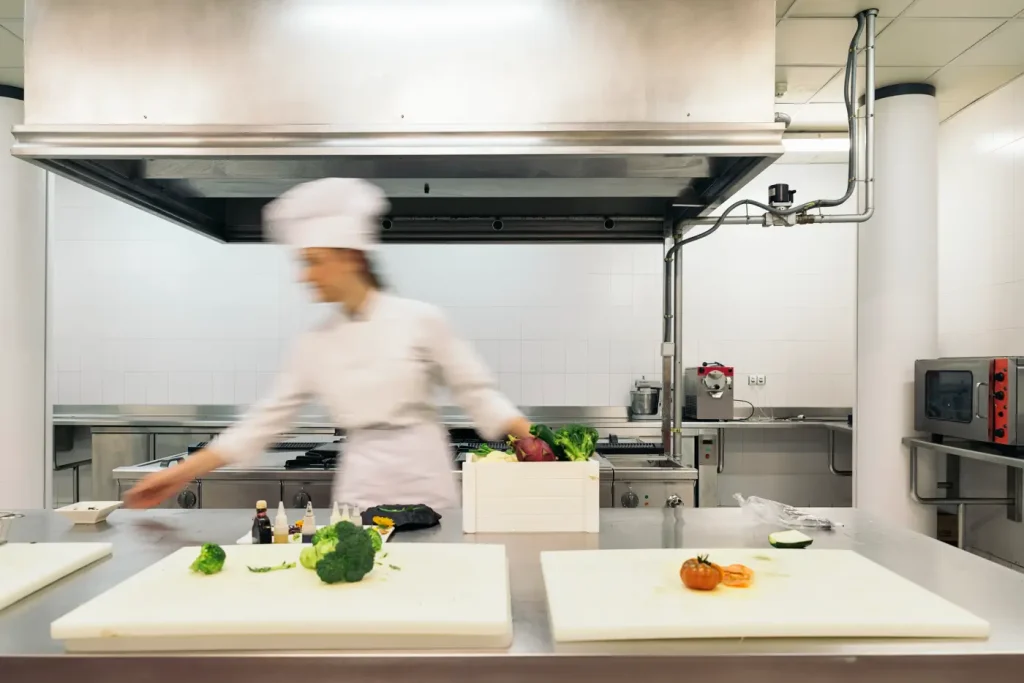
During the season, the biggest delays in a professional kitchen often arise from the lengthy preparation of ingredients: cutting large quantities of vegetables, making sauces from scratch, and cooking stocks and other bases. An additional challenge is the lack of staff, especially when part of the team consists of less experienced employees who need simple and clearly defined work processes.
Every additional step in preparation increases the possibility of error and slows down the issuing of dishes, especially with complex meals that have many components and different cooking times for individual ingredients.
The greatest pressure on the kitchen comes during lunch and dinner, when the number of orders is highest, so speed, good organization, and standardized processes become key for smooth operation.
This is where quality ready-made and semi-finished products can help, says Podravka’s chef Ivan Bobinac. These products take over part of the lengthy and demanding processes, relieving the team and leaving chefs more time for what the guest ultimately notices the most – the finishing touches on the dish, the freshness of the ingredients, and the attractive presentation.
What else? Read in the practical guide compiled by chef Bobinac.
Why use ready-made and semi-finished dishes
Ready-made and semi-finished products can significantly relieve the kitchen as they reduce preparation time and the number of work steps.
Ready-made meals in pouches can be consumed heated directly from the packaging or used as a base that the chef enhances with fresh herbs, local vegetables, or additional components. It is best to enrich them with seasonal ingredients and local products, merging the practicality of industrial products with the authenticity of home cooking.
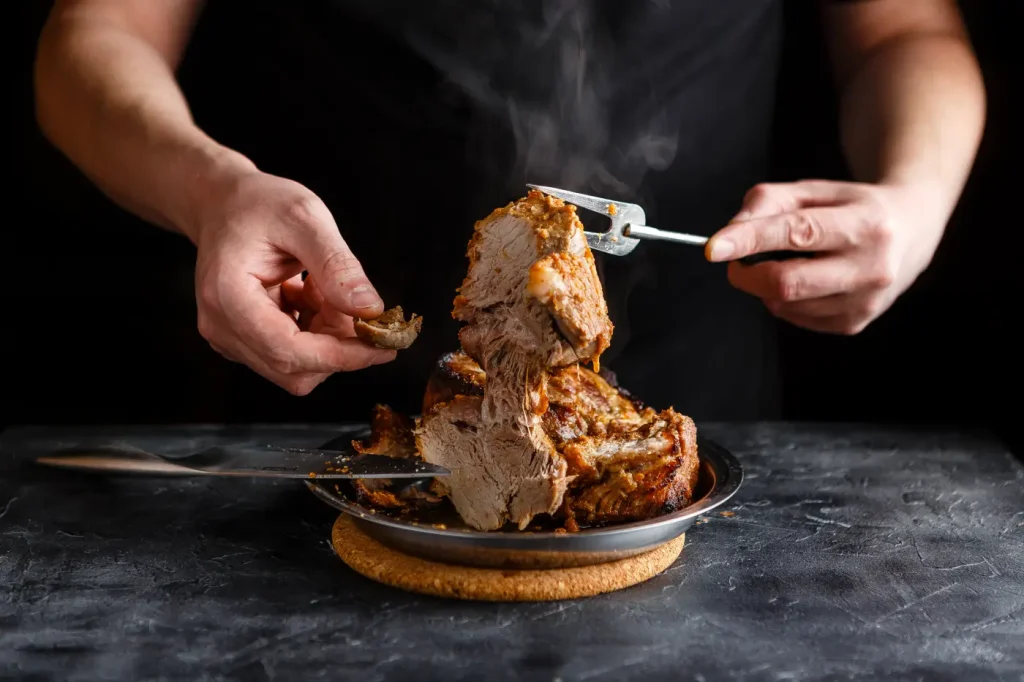
Semi-finished products are used for preparing sides and quick daily meals. Their advantage lies in providing clear instructions and predictable results, which is extremely important when part of the team consists of younger or less experienced employees. Instead of spending time on basic processes, they can focus on final details, communication with guests, and maintaining the rhythm of service.
A rule that has always proven effective is that precious time should not be wasted on processes that can be standardized and optimized in advance, but rather on the finishing details that create added value for the guest.
What to do with the products
To clearly see how ready-made and semi-finished products work in a real kitchen, we present several concrete examples.
Goulash in a pouch with a homemade side
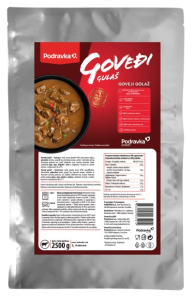
Ready-made product:
Fresh ingredients:
- Zlato Polje gnocchi or mashed potatoes
- Fresh parsley
Preparation
- The goulash needs to be heated according to the instructions on the packaging.
- Meanwhile, the side dish – gnocchi or mashed potatoes – is prepared according to house standards.
- The goulash is then served with the freshly prepared side and finished with a sprinkle of fresh parsley.
Advantage for the kitchen
- The base and flavor of the goulash are standardized, so the kitchen does not depend on whether a more experienced or less experienced chef is on duty.
- The team’s focus remains on the quality of the side, texture, and presentation on the plate.
- It is easier to scale the number of portions without additional burden on cooking from scratch, which is especially important during weekends and high season.
Mediterranean pasta
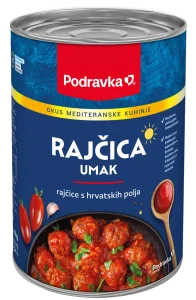

Ready-made product:
Fresh ingredients:
- Cherry tomatoes
- Fresh basil
- Olive oil
- Parmesan
Preparation
- The pasta needs to be cooked according to the instructions on the packaging.
- The ready-made tomato sauce is heated, then briefly sautéed cherry tomatoes and fresh basil are added.
- Everything is combined with the pasta and finished with parmesan.
Advantage for the kitchen
- The preparation time for the dish is under ten minutes, with a stable flavor base.
- The dish is ideal for daily menus, room service, or quick offers in the season, and the enhancement with fresh ingredients allows it to maintain the impression of a homemade, freshly prepared dish despite the speed.
The red program as the backbone of seasonal cuisine
Tomato-based products – sauces, ketchup, and various tomato preserves – play an important role in organizing the kitchen during the season. Such products form the basis of a large number of dishes: pizza and pasta, burgers and fast food offerings, sauces for fish and meat dishes, and bases for goulashes and stews.
Their greatest advantage is consistent quality throughout the year, which allows for a standardized taste of each dish regardless of the season or availability of fresh ingredients. Additionally, they reduce waste, shorten preparation time, and facilitate stock planning, which is especially important when a quick response to a large number of orders is needed.
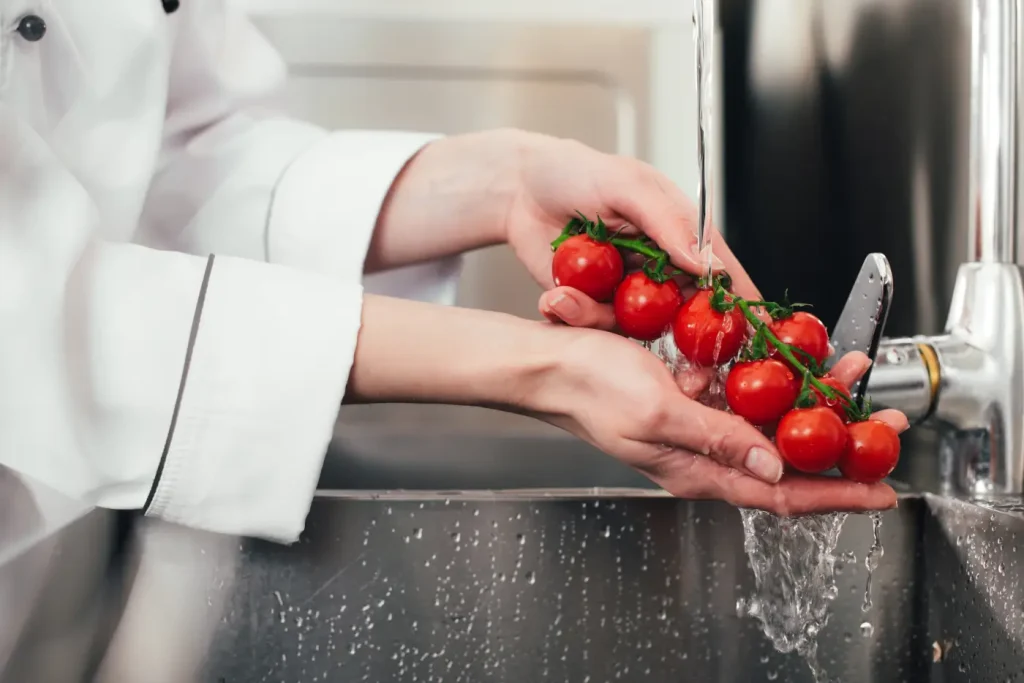
To maintain the impression of freshness and authenticity, products from the red program can be easily enhanced with fresh ingredients such as basil, garlic, olive oil, or seasonal local vegetables. This way, the kitchen gains speed and efficiency, while the guest still enjoys a dish that feels homemade and freshly prepared.
Good preparation before service is key
If we had to single out one thing that always brings results during the most intense part of the year, it would be good preparation before the start of service.
Well-prepared mise en place, several proven bases, standardized sauces, and well-organized workstations allow the kitchen to remain fast, organized, and consistent even during peak times. When every team member knows their task and when the key components of the dish are pre-prepared, the possibility of error decreases, orders are issued faster, and a high level of quality is maintained.
Quality ready-made and semi-finished products play a particularly important role, as they can take over part of the demanding and time-consuming processes. A rule that has always proven effective is not to waste precious time on processes that can be standardized and optimized in advance. Instead, the focus should be directed towards the finishing details that create added value for the guest.
This approach allows the kitchen to operate faster, more stably, and with less stress during the season, while maintaining the quality of dishes at a consistently high level from the first to the last order.