Processed tomato: when to choose peeled, passata or puree
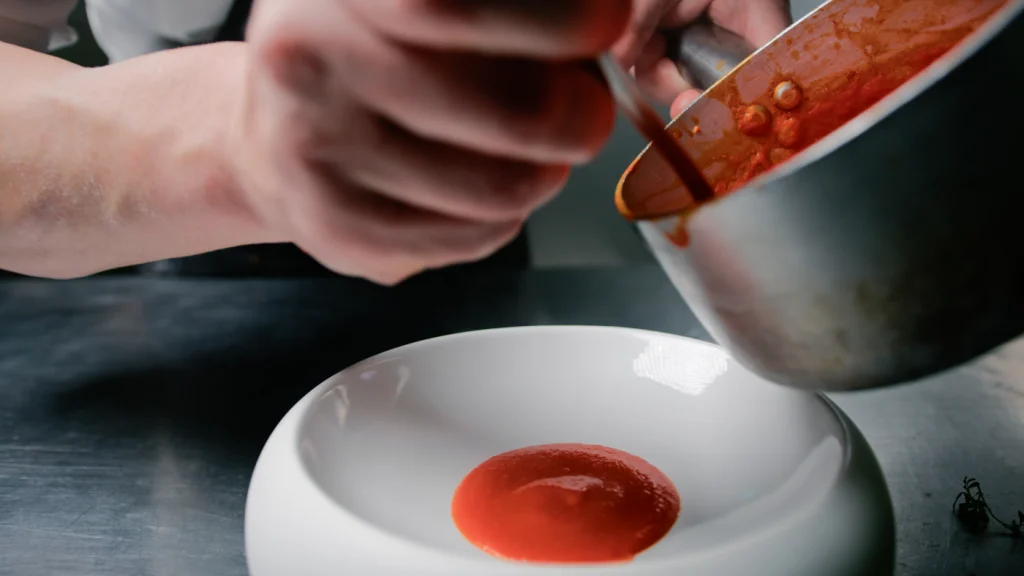
Tomato is one of the most commonly processed ingredients in a professional kitchen, and various forms of processing allow chefs to use it throughout the year, regardless of the season. Although at first glance all tomato products may seem similar, differences in texture, preparation methods, and intended applications often critically affect the final result.
Basic categories of processed tomatoes
In professional practice, tomato products can be roughly divided into several groups.
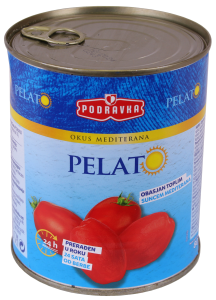
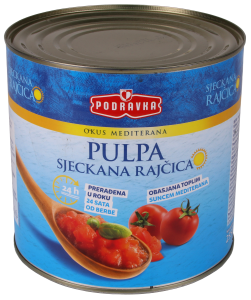
The first group consists of fresh canned tomatoes: pelati. These are whole peeled tomatoes in their own juice and chopped tomatoes, where the fruits are cut into pieces and also canned in their own juice. The second group includes pureed and crushed varieties, such as passata and tomato puree.
The third category encompasses concentrated products, such as tomato paste and tomato puree, which is thicker than passata, while the last group consists of thermally processed products like ready-made tomato sauces and ketchup.
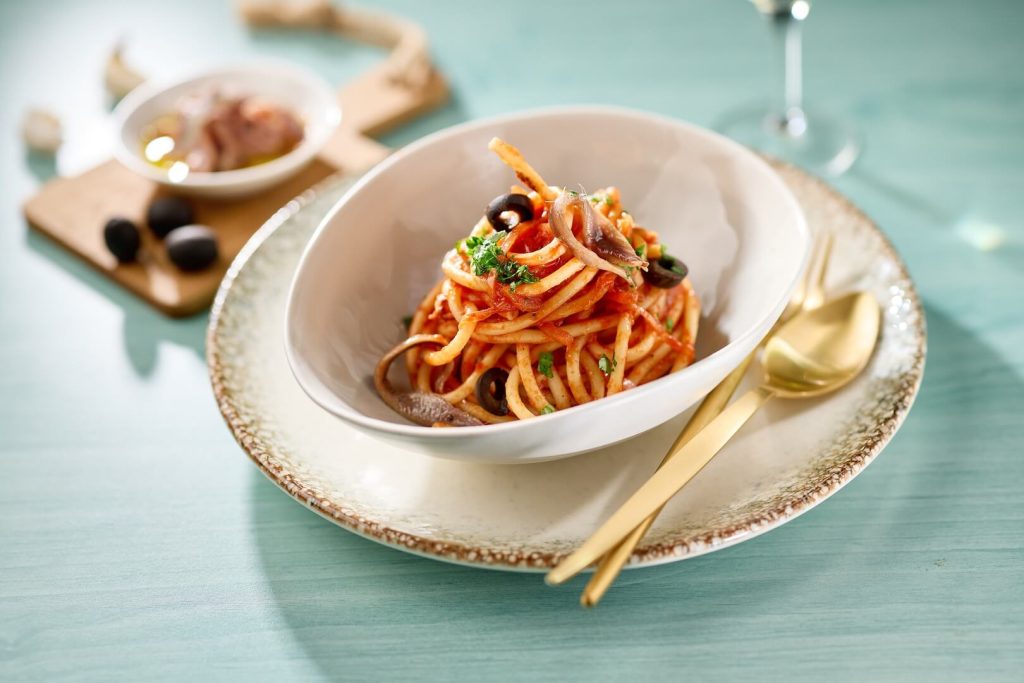
Pelati: base for rustic and rich sauces
Pelati are whole peeled tomatoes canned in their own juice, with minimal processing. The fruits are peeled and sterilized, and the texture remains in the form of soft, yet recognizable pieces of tomato. The taste is fresh and natural, with a good balance of acidity and sweetness, making them ideal when a chef wants to control the texture of the sauce.
Pelati are the best choice for rustic, homemade sauces, ragouts, and dishes that require a visible piece of tomato on the plate. By hand-mashing or briefly cooking, the desired granulation can be achieved, ranging from a slightly coarser texture to an almost smooth base.
Passata: smooth base for quick and fine sauces
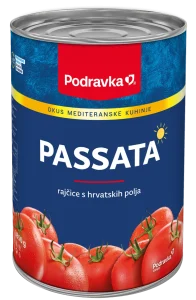
Passata comes from Italian tradition and represents strained tomatoes without skin and seeds. It has a completely smooth texture as it goes through a process of pureeing and straining, and the taste is natural and balanced. For the chef, this means that the product is immediately ready for use, without additional chopping or filtering, which significantly saves time in service.
It is most commonly used for quick tomato sauces, pizza, soups, and dishes where a uniform, fine base is needed that can be easily reduced and enhanced with spices. Unlike pelati, passata does not require additional texture processing, ensuring predictable results from batch to batch.
Tomato puree: versatile solution for everyday dishes
Tomato puree is often used in practice as a synonym for passata, although there is a nuance of difference. It can be slightly thicker and isn’t always completely strained – some skin or seeds may remain in traces, depending on the manufacturer. The processing involves crushing the tomatoes, sometimes with brief cooking, which can affect the intensity of the flavor.
Due to such texture, tomato puree is a practical choice for everyday cooking: stews, goulashes, quick sauces, spoon dishes, and basic sauces for further development.
How to choose the right product for a professional kitchen
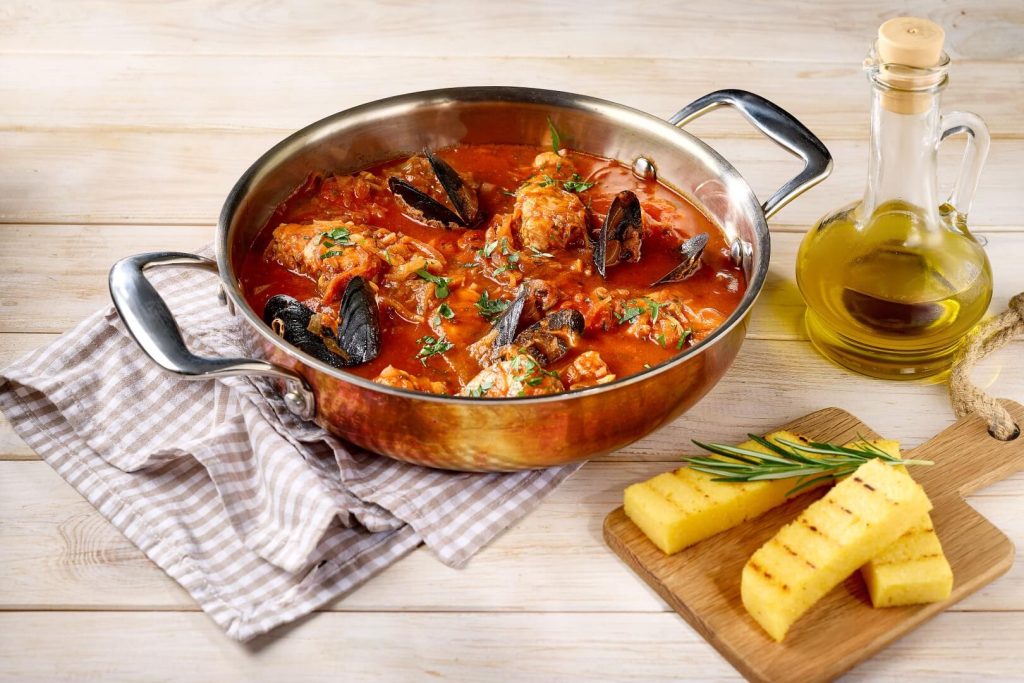
When choosing between pelati, passata, and tomato puree, the starting point is always the dish you are preparing and the style of cuisine. For an authentic Italian sauce or pizza base, the logical choice is passata; for richer and homemade sauces, pelati; while tomato puree is the most practical solution for everyday dishes and larger volumes.
For chefs and suppliers, it is important that each of these products is backed by a stable supply, verified and proven quality, and support through ideas and recipes.
With a tradition of over 60 years, Podravka’s professional range of processed tomatoes allows the kitchen to work with reliable products throughout the year.