Professional grilling tips: a practical guide from our expert
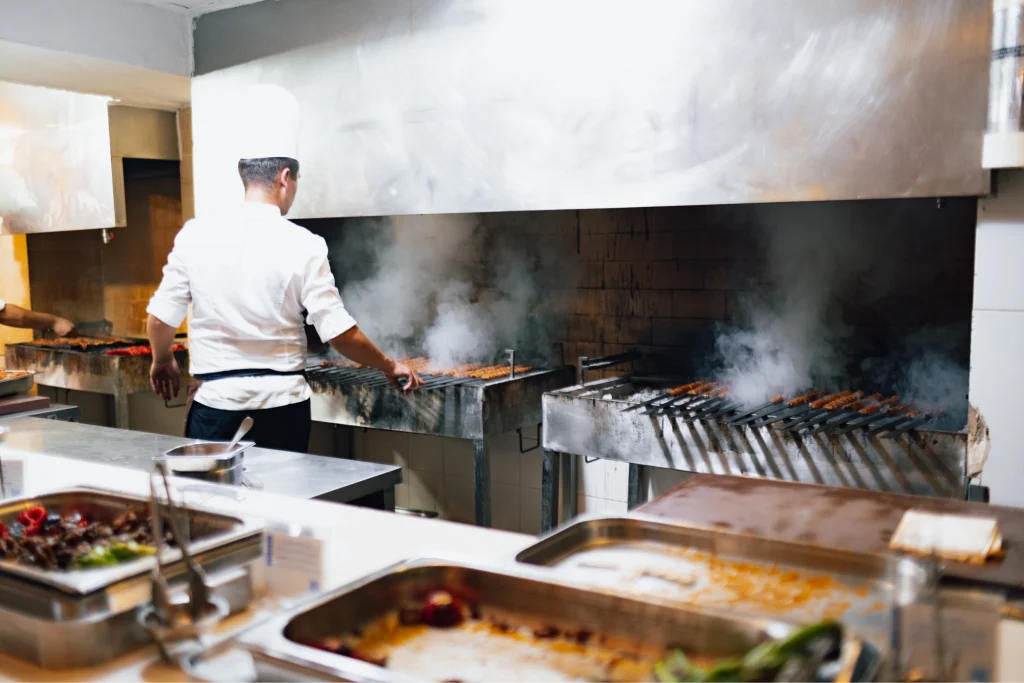
Grilling is an indispensable part of the summer offerings of restaurants and catering establishments. Successful grilling preparation in a professional kitchen requires a combination of quality equipment, selected meat, proper technique, and good knowledge of temperature zones. Podravka chef and grilling expert Branko Takač shares practical tips that help achieve consistent quality and guest satisfaction. It all starts with good equipment.
Equipment is the foundation of success
The choice of the right equipment determines the quality of the results. For the most intense smoky flavor and thus an authentic grilling experience, the ideal choice is a charcoal grill.
Gas grills allow for precise temperature control and faster cooking of large quantities, which is crucial for high-traffic establishments. A smoker is essential for slower techniques where meat is cooked at lower temperatures for longer periods, achieving exceptional tenderness and rich flavor.
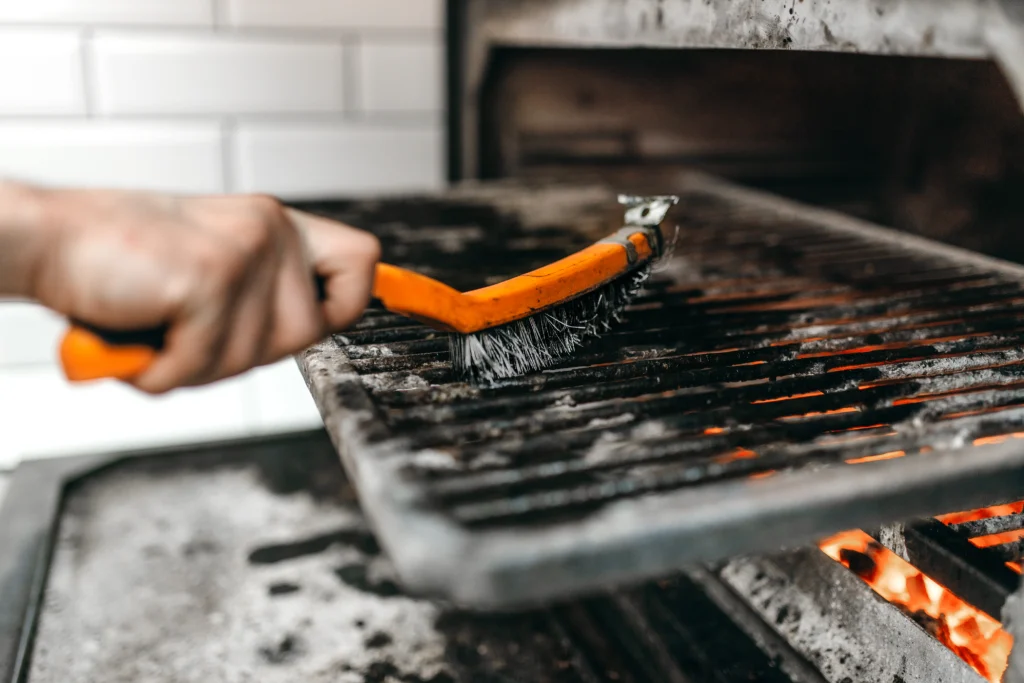
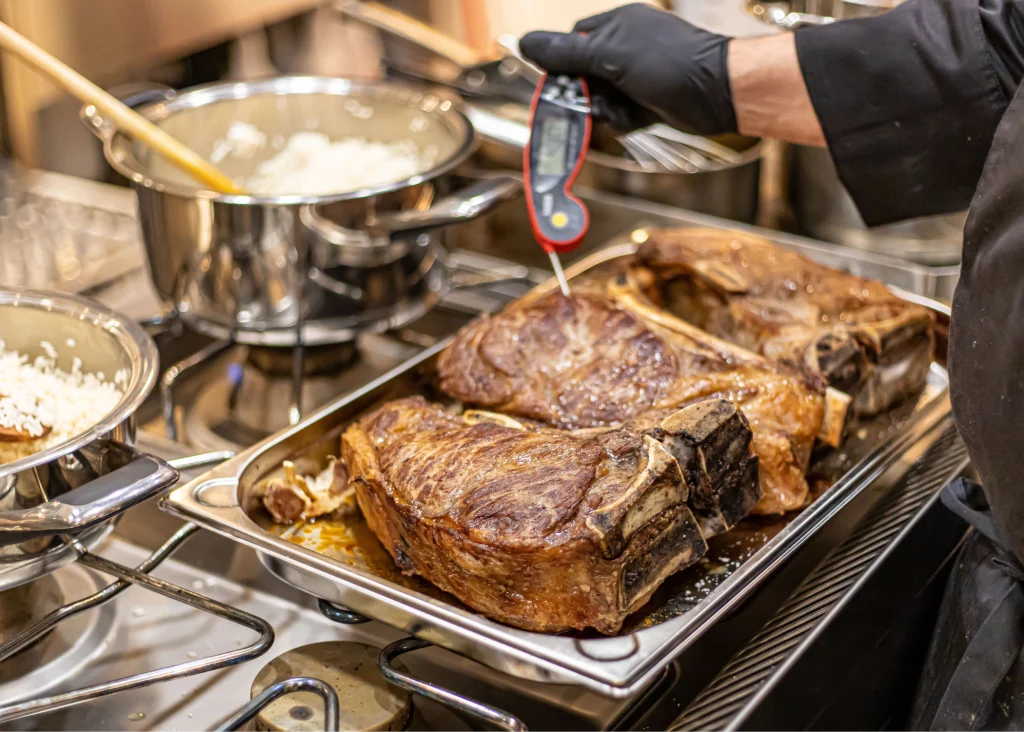
Besides the type of grill itself, a meat thermometer is a must-have tool for professionals that allows monitoring of internal temperature and guarantees the correct level of doneness according to the guest’s preference. On the other hand, quality meat tongs prevent damage to the meat during flipping, while a cleaning brush is essential for maintaining hygiene and preventing meat from sticking to the grill.
Choosing the meat
While equipment lays the foundation, meat quality directly affects the final result. Professionals always choose well-aged meat. Dry aging, if available, further concentrates flavor and improves texture. It is equally crucial to select marbled cuts that resemble marble, as the fat veins ensure juiciness and prevent drying during cooking.
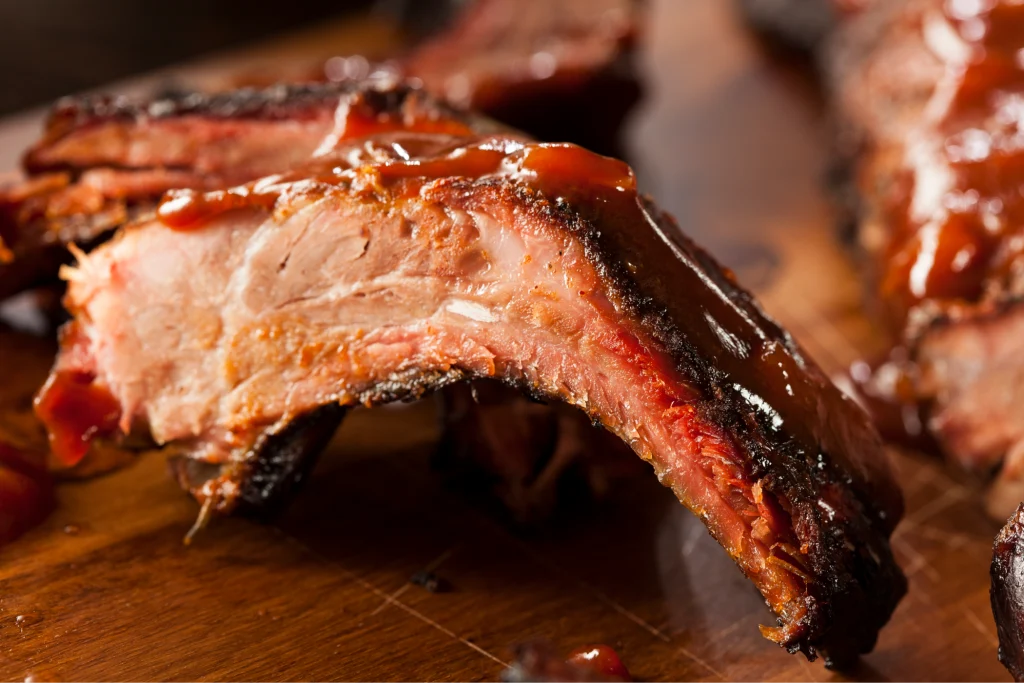
The most common choices in professional kitchens are ribeye and rib as premium options for steak menus, minced meat for kebabs and patties that meet mass demand, chicken thighs and drumsticks due to optimal pricing and natural juiciness, and pork or beef ribs which are excellent for slower cooking at low temperatures and have a high satisfaction margin with guests.
Spices and marinades
After selecting quality meat, it is crucial to season it properly to highlight the natural flavor. When seasoning, the rule applies: less is more. Top-quality meat requires only salt and pepper to enhance the natural flavor, ensuring that spice aromas do not dominate the taste.
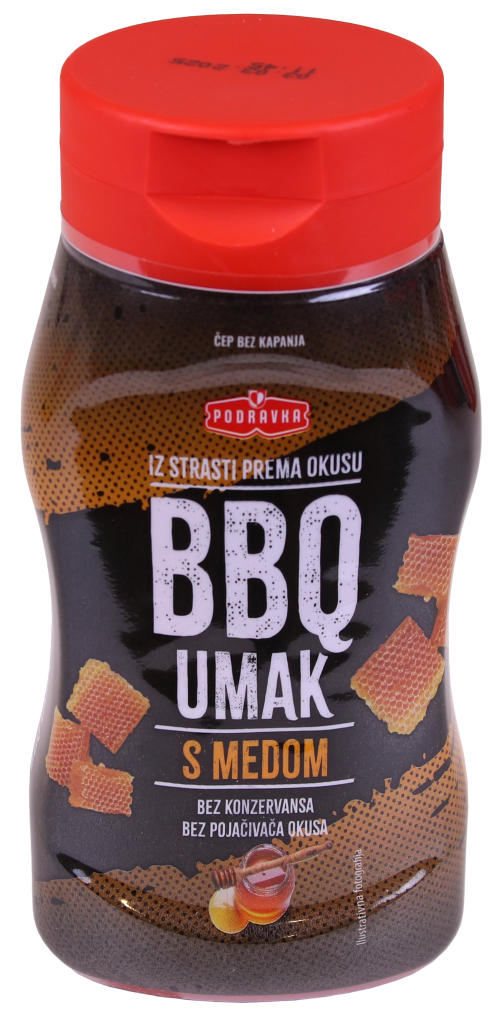
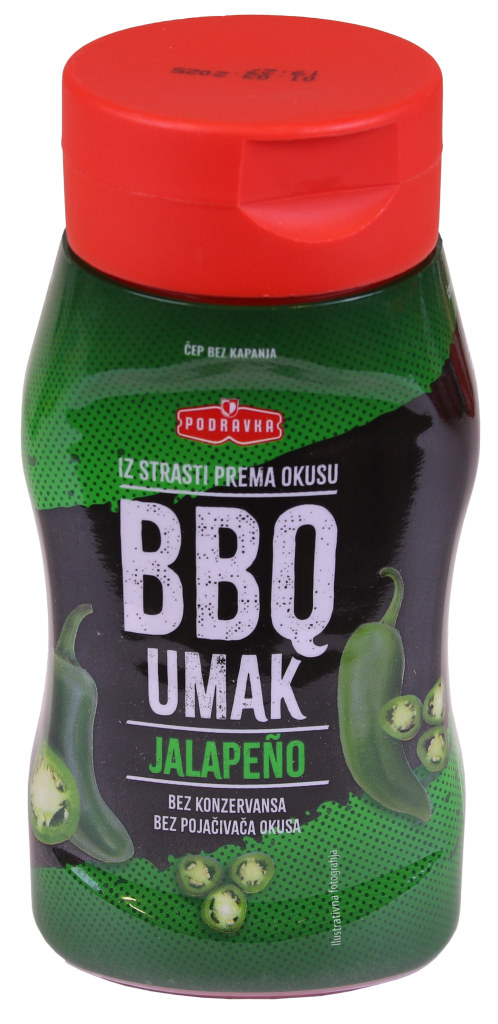
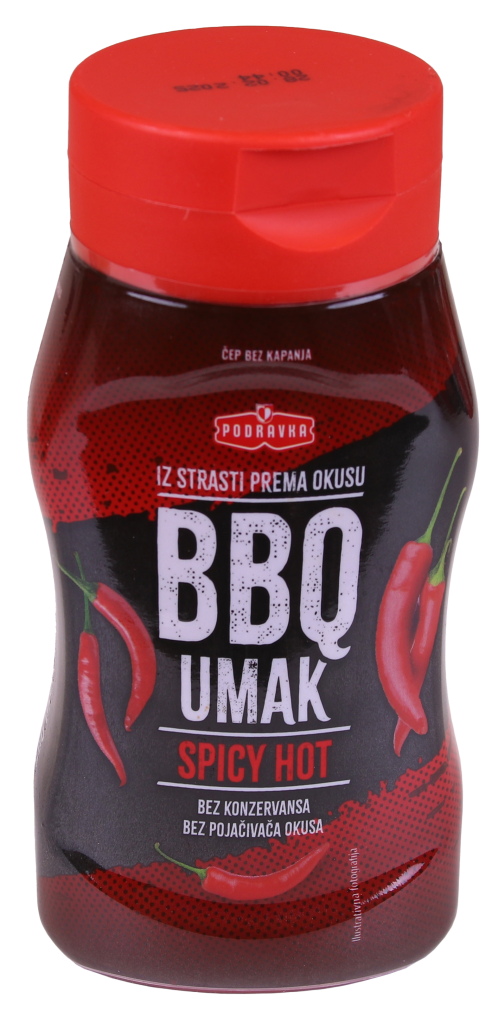
For variety in offerings, use dry spice blends with paprika, garlic, onion, sugar, and chili. These combinations create complexity of flavor without overpowering the natural aroma of the meat. Podravka offers a wide selection of ready-made marinades that save preparation time and ensure consistent flavor. From classic to spicy variants, tailored to different types of meat. If using BBQ sauces, add them only at the end of cooking, a few minutes before removing from the grill, to prevent the sugars in the sauce from burning and ruining the final impression.
Grilling technique
With selected and seasoned meat, the preparation for grilling begins 30 minutes before placing it on the grill. Remove the meat from the refrigerator to reach room temperature, as this will achieve more even cooking. Start with a high temperature to quickly seal in the juices and create a crispy, caramelized crust that retains moisture within the meat.
Proper flipping is crucial for retaining juiciness. Flip the meat only once or twice during cooking. Pressing the meat against the grill or pressing it with a spatula releases precious juices, while piercing it with a fork creates openings through which juices escape. In this phase of cooking, remember the phrase that “less is actually more” and touch the meat as little as possible.
A thermometer is your most important tool for consistency and professionalism, and it will help you determine the level of doneness of the meat. Rare cooking is achieved at ~50°C and is recognizable by its red center and soft texture, medium at ~60°C with a pink center and balanced juiciness, while well done requires ~70°C or more and is fully cooked.
These temperatures ensure that every guest receives exactly what they ordered.
Resting (the meat) is the secret
Successful grilling does not end the moment you take the meat off the grill. Resting the meat after grilling is often the most overlooked phase, but it makes the difference between good and extraordinary grilling. After removing from the grill, cover the meat with aluminum foil and let it rest for 5-10 minutes for smaller cuts of meat. For larger cuts like ribeye or ribs, the resting time can be longer.
During the resting period, the juices distribute evenly throughout the meat fibers instead of spilling onto the plate when cutting. The result is a maximally juicy, tender bite that guests notice and appreciate.
An additional advantage is that the meat continues the thermal process and reaches the final temperature during resting, reducing the risk of overcooking and providing extra assurance of consistency in the served dish.
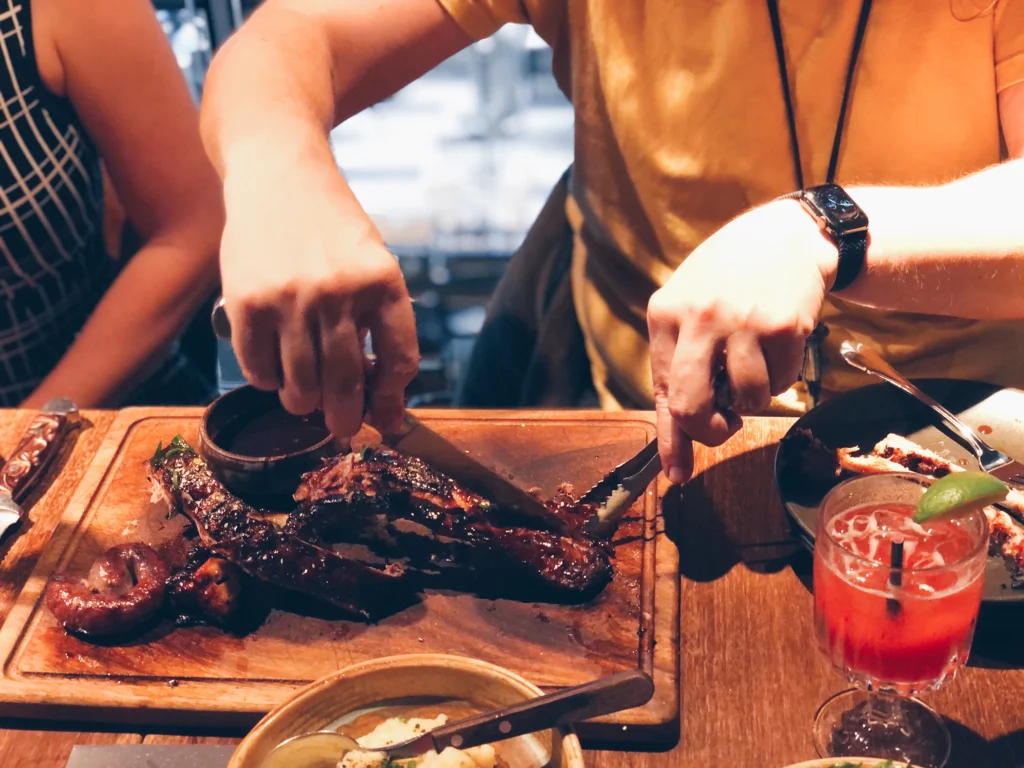
The summer grilling season is the perfect opportunity to showcase your culinary skills and delight guests with authentic flavors. Apply these professional tips, utilize quality Podravka products, and create unforgettable moments for your guests.
Invest in the details that create a top-notch experience, and guest satisfaction and their return will be the best reward.