How visual presentation fuels restaurant marketing
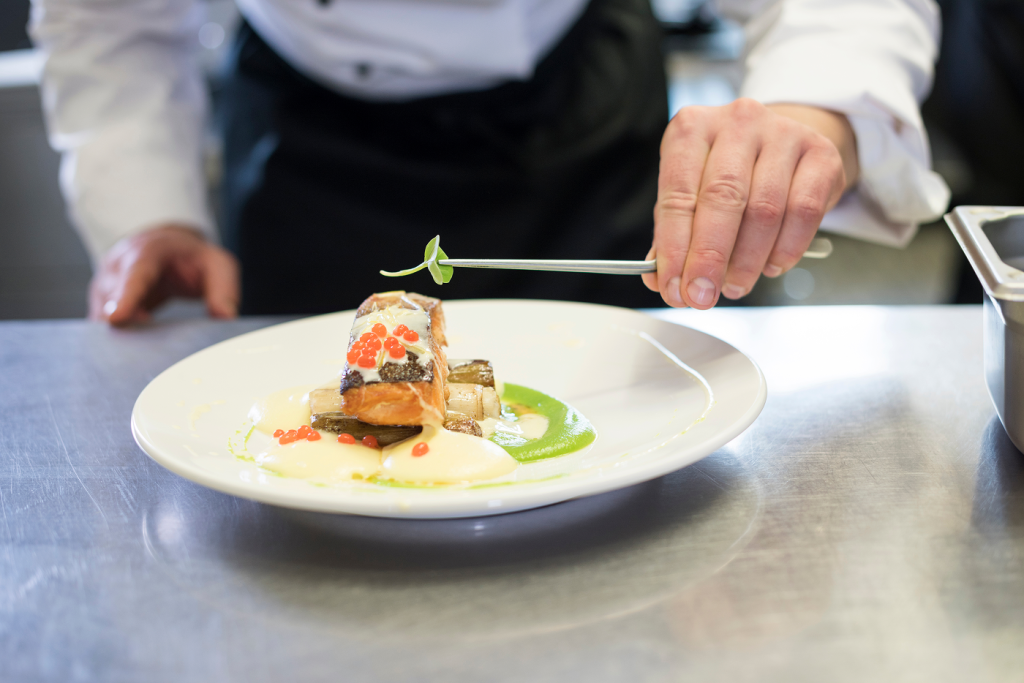
The first glance at a plate often determines whether a guest will want to taste the dish, and take a photo of it. Colors, contrasts and the arrangement of ingredients affect the perception of taste and the overall impression of the meal. Professional chefs know that the visual storytelling of a plate strengthens the restaurant’s identity and influences the guest’s perception.
We will go through the basics of a visually appealing plate that guests will be eager to eat and share online, thereby promoting your restaurant.
Trends in modern presentation
Minimalistic plating, deconstruction of dishes and reinterpretation of classic recipes have become standards in modern kitchens. Every element on the plate should serve a purpose, whether it highlights the main ingredient, adds texture or provides visual contrast.
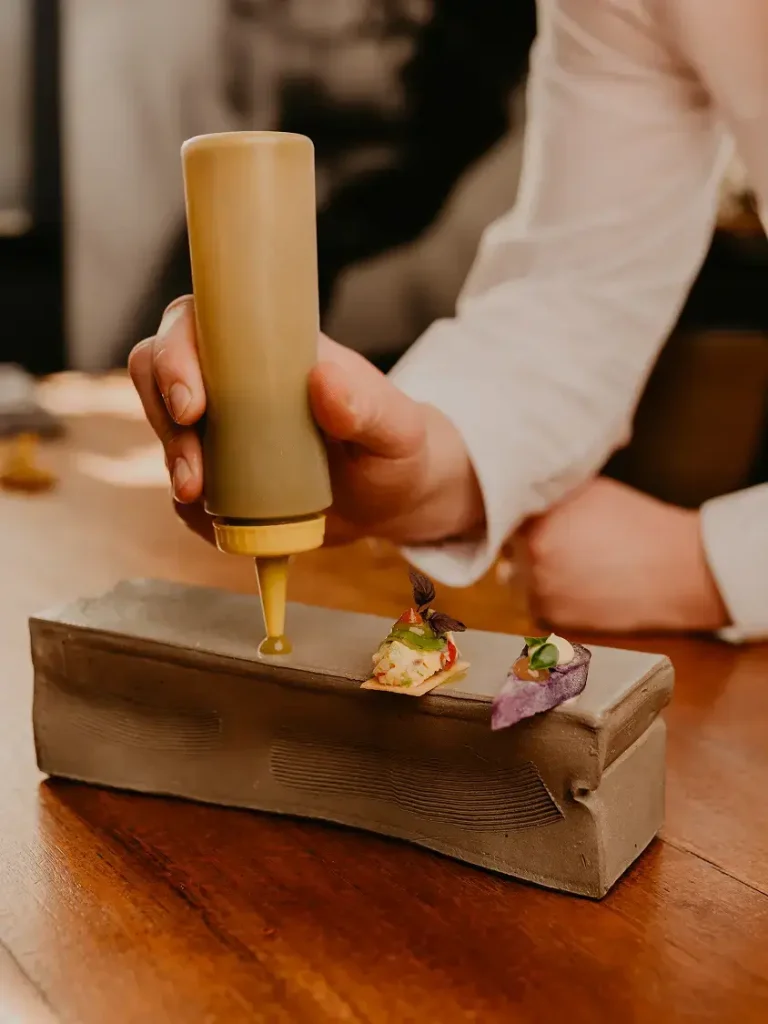
For example, minimalistic plating can be a fillet of sea bass served on a celery cream, with a few drops of parsley oil and a crispy kale chip. There are no unnecessary elements on the plate and every detail emphasizes the elegance of the main ingredient.
In deconstruction, a classic caprese salad can be presented through separate elements: mozzarella foam, tomato gel, fresh basil leaves, and olive oil crumble. Guests recognize familiar flavors but experience them in a new way.
Reinterpretation of a classic recipe can be pumpkin risotto served in a thin circle, with a contrast of sour cream foam and fried seed powder, giving a modern, visually attractive dimension to a traditional dish.
Elements of Visual Appeal
- Colors and contrasts
The combination of fresh vegetables, sauces and proteins creates a dynamic visual impression. - Textures
Crunchy, soft, creamy or juicy – different textures attract the eye and enhance the taste experience. - Space on the plate
“White space” emphasizes the main ingredient and gives the plate elegance. - Decorations
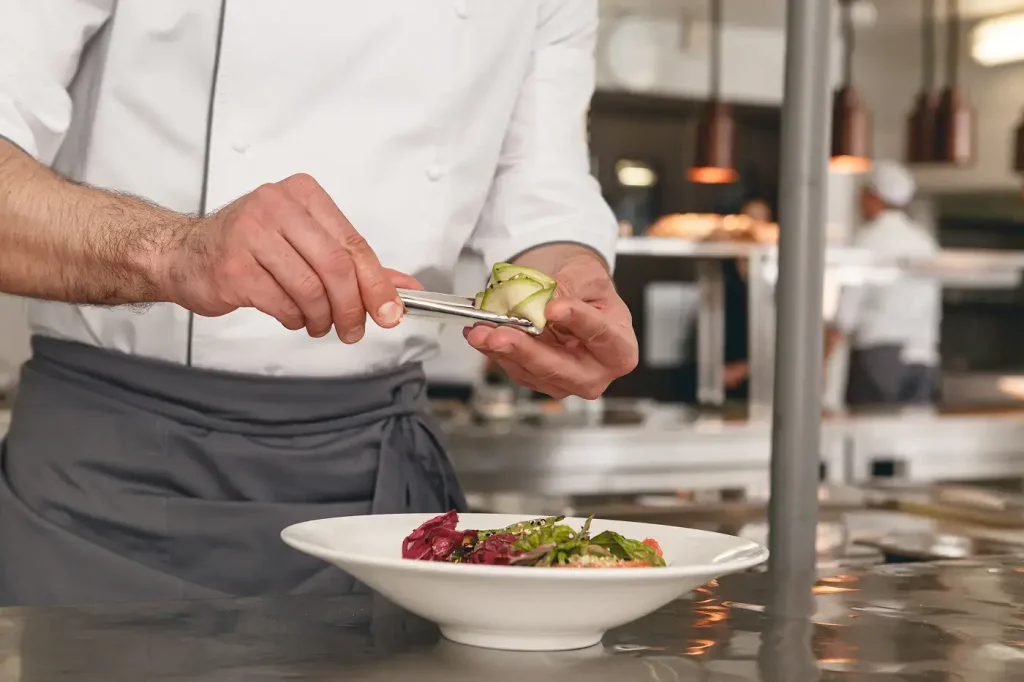
Microgreens, edible flowers, sauces and spices can be both functional and decorative.
Techniques and tools for effective serving
Proper lighting, choice of plate and precise arrangement are key to professional presentation. Layering, geometric shapes and guiding the eye through the plate increase visual impact. Sauces can be applied in lines or dots, while microgreens are strategically placed for contrast and balance.
The role of social media
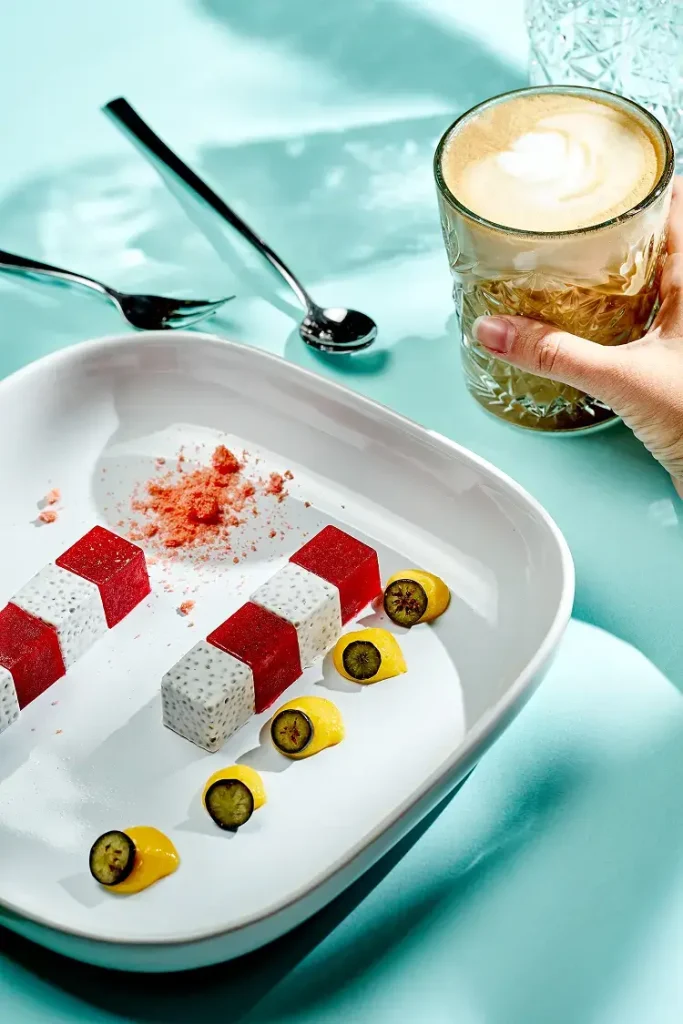
In today’s world, where guests in restaurants almost instinctively photograph their plates, the visual appeal of a dish becomes a powerful promotional tool. If a dish is attractive enough, a guest will post it on Instagram or another platform and share it with their own network. In this way, the restaurant gets promoted and attracts new guests.
Many have built careers on social media based on their recommendations and for the hospitality establishments they endorse, there is a high demand for reservations. Some followers travel to other cities, even other countries to taste specific foods. That is why visual presentation is not just an aesthetic addition, but an investment in marketing.
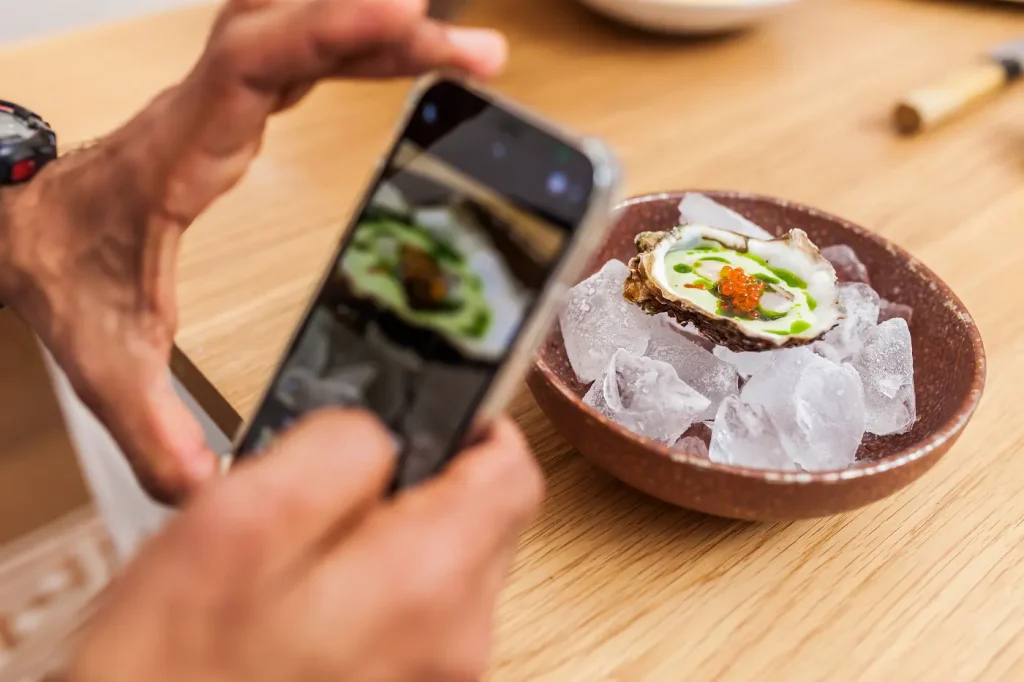
A well-designed plate elevates the perception of the dish’s quality, increases the desire to taste it, and strengthens the restaurant’s brand. In an era when food photography can go viral, the aesthetics of a plate have the power to reach a much wider audience than just the dining room. The combination of aesthetics and taste is no longer just a trend; it is a strategic tool in professional gastronomy and the key to creating unforgettable culinary experiences.