Why in 2026 are we cooking with more fiber
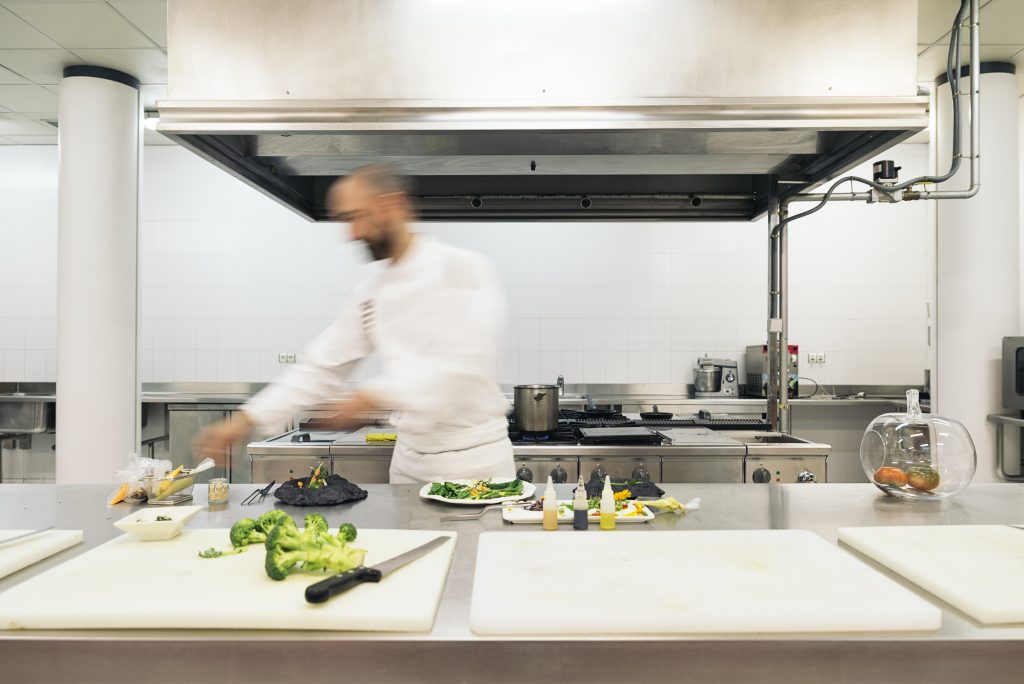
If global gastronomic trends and the increasing focus on gut health are anything to go by, the year 2026 will be marked by fiber. Guests are more informed than ever, reading labels, asking about nutritional values, and increasingly seeking dishes that are simultaneously filling, functional, and sustainable. This is where legumes and whole grains come into play.
Lentils, chickpeas, beans, fava beans, and fiber-enriched products are no longer reserved for traditional or seasonal dishes. They are becoming the backbone of modern, flexible, and profitable menus. From breakfast to dinner.
Lentils: a simple yet powerful base
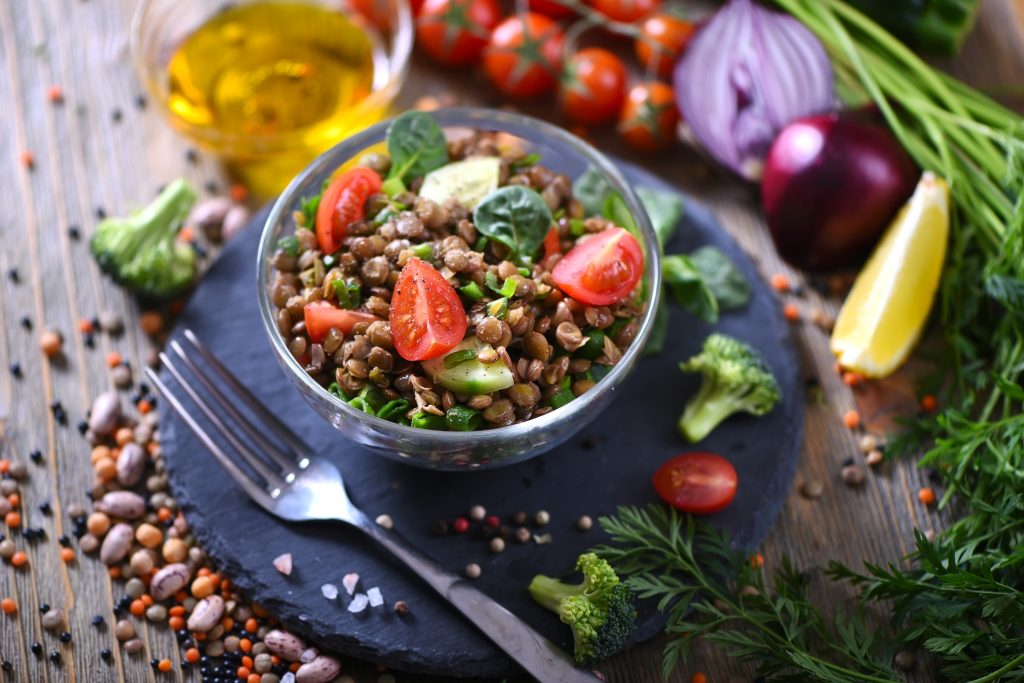
Lentils are one of the most versatile legumes in professional kitchens. They do not require long soaking, cook quickly, and easily fit into various culinary concepts.
The basic preparation is simple: lentils need to be rinsed and cooked, and the cooking liquid should be reserved. This lentil broth becomes a valuable tool for further binding and deepening flavors. In another pot, onions and diced pancetta are sautéed, cooked lentils are added, and everything is gently moistened with the reserved liquid until combined and thickened.
The result? A warm, rustic side dish that perfectly complements cooked meats, homemade sauces, or creamy mashed potatoes. Additionally, with minimal adjustments, lentils can also serve as a base for vegetarian ragù sauces, hearty soups, or protein salads.
For shorter cooking times, you can always reach for canned Podravka lentils.
Chickpeas: from hummus to modern salads
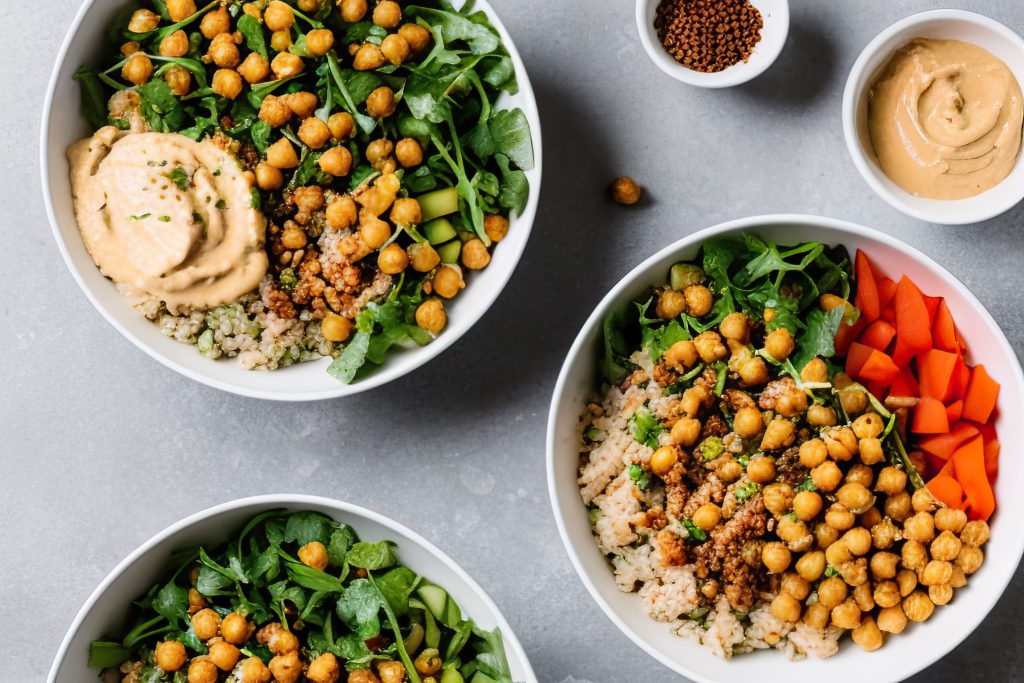
Chickpeas have enjoyed star status among legumes for some time now. They are best known as the base for hummus, a traditional Middle Eastern spread that has undergone countless reinterpretations in recent years. Hummus has inspired a whole range of similar spreads made from other legumes, opening up space for creativity and differentiation in offerings.
However, chickpeas go even further. We increasingly encounter them as an addition to octopus salad instead of the classic potato. This gives the dish additional texture, more fiber, and a lower glycemic index, which is an argument that guests are recognizing and appreciating more and more.
Roasted chickpeas can serve as a crispy topping for soups and salads, while cooked chickpeas become the base for stews, curries, or warm bowl concepts that dominate urban menus.
Beans: tradition in a new guise
Beans are perhaps the most deeply rooted in our gastronomic tradition. In winter, they are most often found in rich dishes with homemade sausages and cured meats, but their application far exceeds seasonal boundaries.
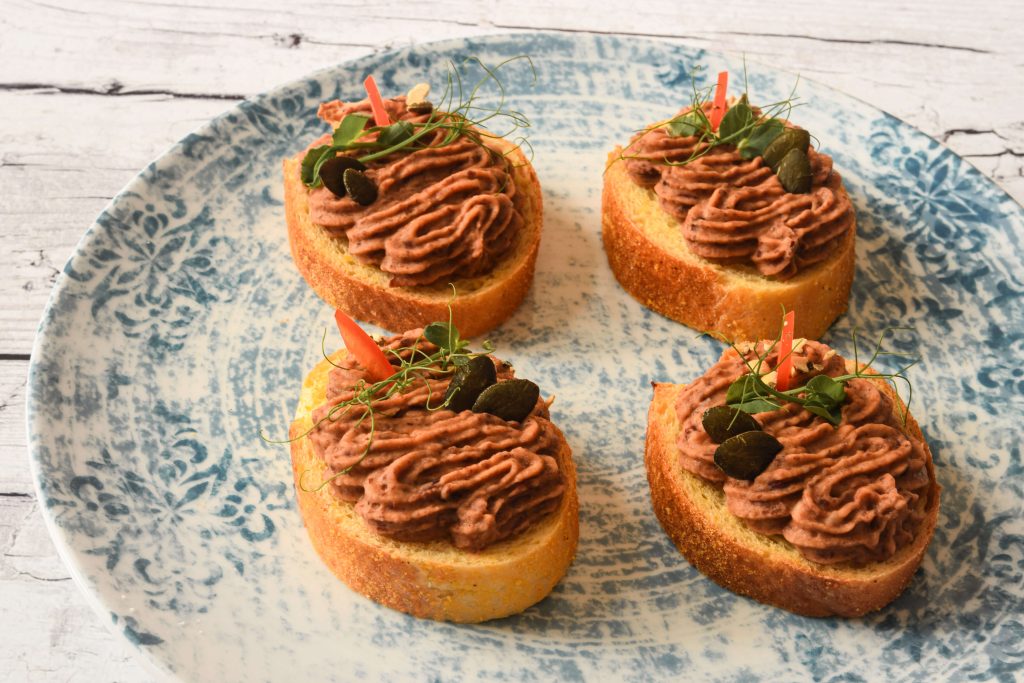
They are excellent as a base for soups, purees, or spreads, but also as a key ingredient in cold salads that can be prepared in advance and served quickly. This flexibility makes them ideal for professional kitchens seeking a balance between quality and operational efficiency.
For establishments with a fast-paced work environment, canned beans represent a practical solution that saves time without significant compromise in nutritional value. With quality seasoning and a good balance of acidity and fat, beans easily transition from classic to modern and attractive dishes. Like this red bean spread!
Fava Beans: a return of a Mediterranean classic
Fava beans may be less common in everyday offerings, but that is precisely why they carry strong potential. Traditional dishes like cuttlefish with fava beans or Castellan macaroni with fava beans demonstrate how deeply this ingredient is connected to Mediterranean identity.
Young fava beans need to be peeled and cooked, after which they can be used in warm dishes, but also in bolder interpretations. For example, in a savory pie with anchovies or salted sardines. Such a combination brings a strong yet balanced flavor reminiscent of authentic coastal cuisine.
To ensure continuity of offerings throughout the year, frozen fava beans represent a quality alternative that does not diminish their nutritional value. This transforms seasonality into availability without compromise.
Fiber as a strategic advantage of the menu
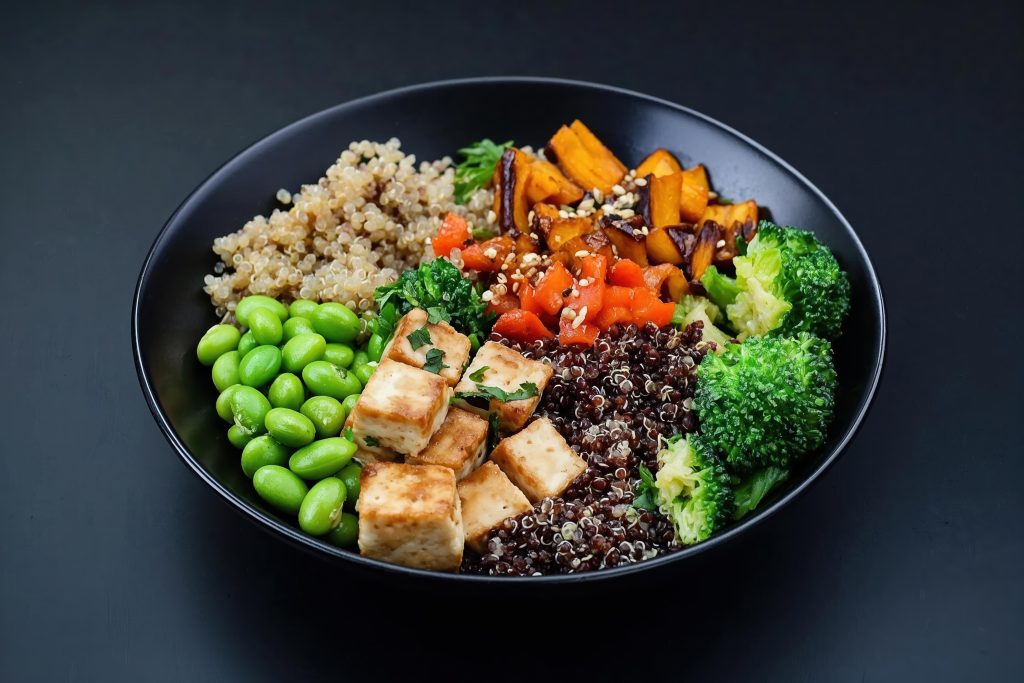
All legumes are naturally rich in fiber, and fiber is one of the key concepts in the context of gut health, stable energy, and long-lasting satiety. For restaurateurs, this means an opportunity. Not only for a nutritionally superior offering but also for clear communication of value to the guest.
Introducing legumes into daily menus does not require radical changes. It is enough to:
- replace part of refined sides with whole grains
- enrich salads with cooked or roasted legumes
- offer legume spreads as an alternative to classic appetizers
- introduce at least one warm dish based on lentils, beans, or chickpeas
The fiber trend is not a passing one. It is a response to the need for balance: between taste and functionality, tradition and modern approach, speed of service and nutritional value.
In 2026, legumes become a smart choice for the kitchen, for the guest, and for the long-term sustainability of the business.