

Mise en place: the foundation of an organized and efficient kitchen
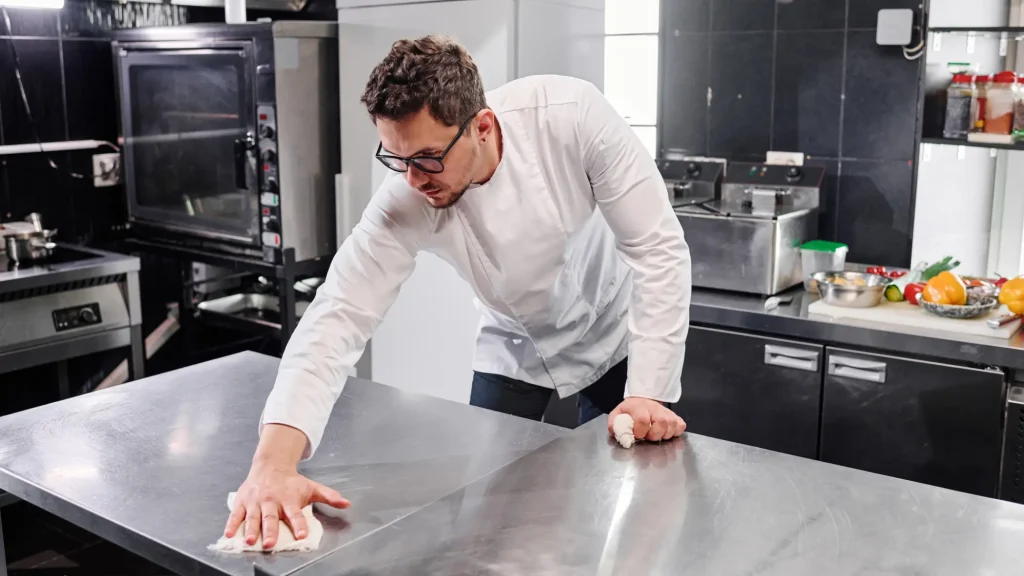
Everything has its place, especially in a professional kitchen. Mise en place is not just a melodious French term, but an important principle for professionals. The term comes from the French language and literally means “put in place.” In a culinary context, it refers to the preparation and organization of all ingredients, tools, and equipment before cooking begins. This includes chopping vegetables, portioning meat, preparing sauces, selecting spices, as well as arranging utensils and work surfaces.
The term is deeply rooted in French culinary tradition and is now a standard approach in professional kitchens around the world. It represents a mindset and working method that allows chefs to cook precisely, quickly, and without stress, even in the most intense situations.
Why is it important to put everything in its place
- Efficiency: when all ingredients are prepared in advance, cooking flows smoothly and without interruptions.
- Consistency: all team members work with the same prepared components, ensuring uniform portions and flavors.
- Fewer mistakes: clear organization reduces the risk of forgotten ingredients or incorrect measurements.
- Better communication: in a team kitchen, mise en place facilitates coordination between stations and chefs.
- Time savings during service: everything is ready, so dishes can be finished and served more quickly and accurately.
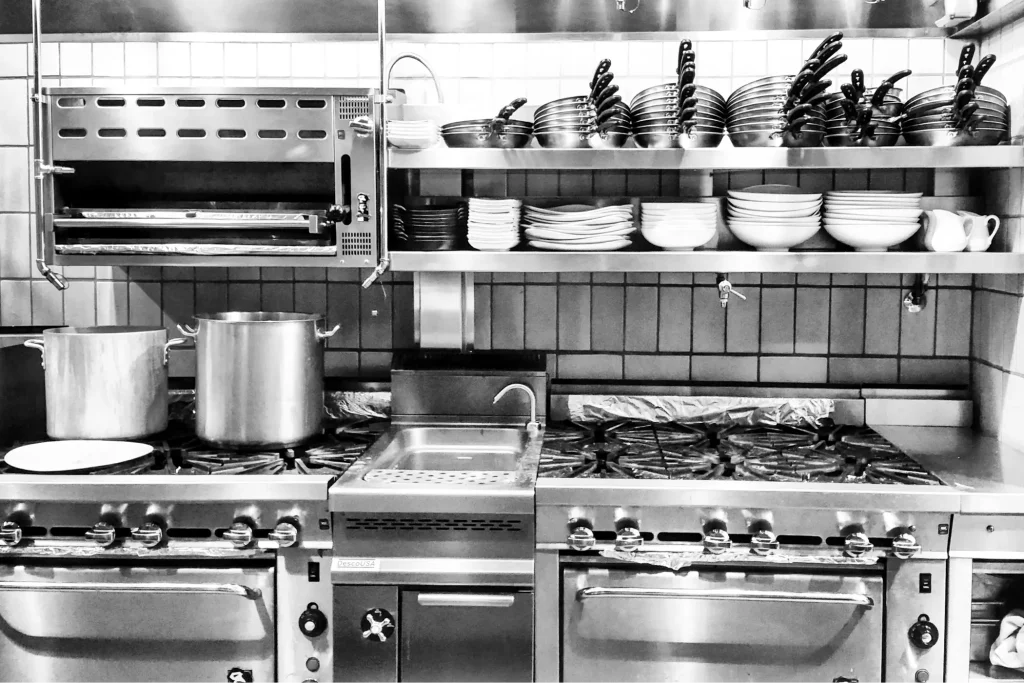
Practical tips for implementation in a professional kitchen
1. Plan ahead
Create daily and weekly menus that allow you to know which components you need to prepare. Use shopping lists and checklists for preparation so that the staff knows exactly what is expected.
2. Organize the workstation
Divide the workspace into zones: raw ingredients, cooked foods, finished elements, spices, and tools. Everything you need during service must be within reach.
3. Precise preparation of ingredients
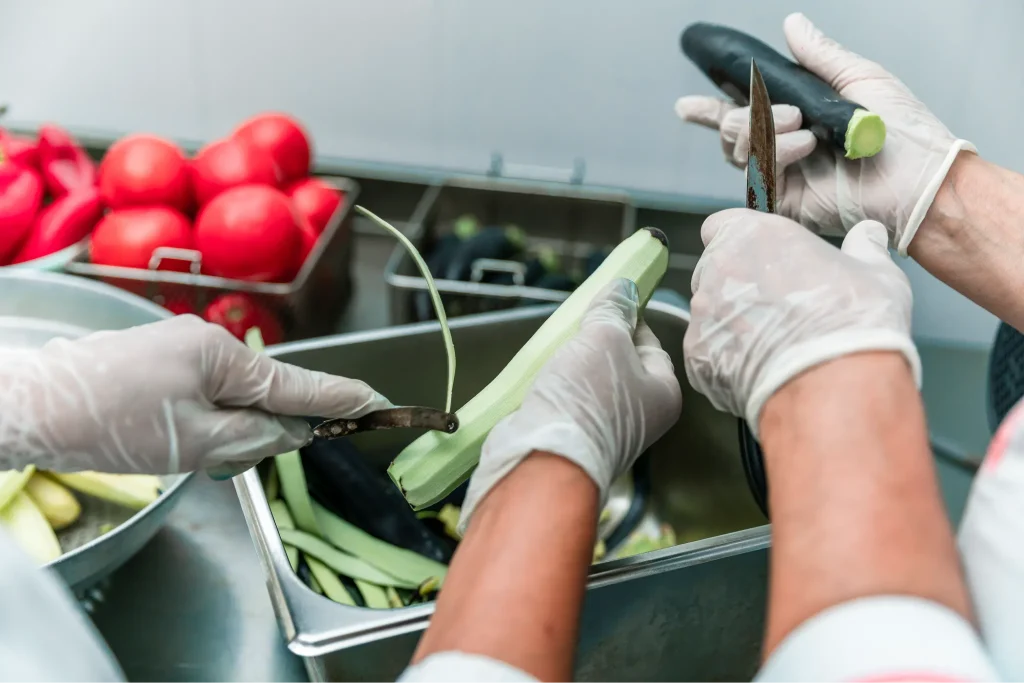
Vegetables
Sort vegetables according to the method of preparation. You won’t cut everything at once, but first the vegetables for sautéing, then roasting, and finally those that are served raw. This prevents oxidation or loss of texture. Green vegetables like lettuce, broccoli, and beans can be blanched and then cooled in ice water and stored in damp cloths for vibrant color and freshness.
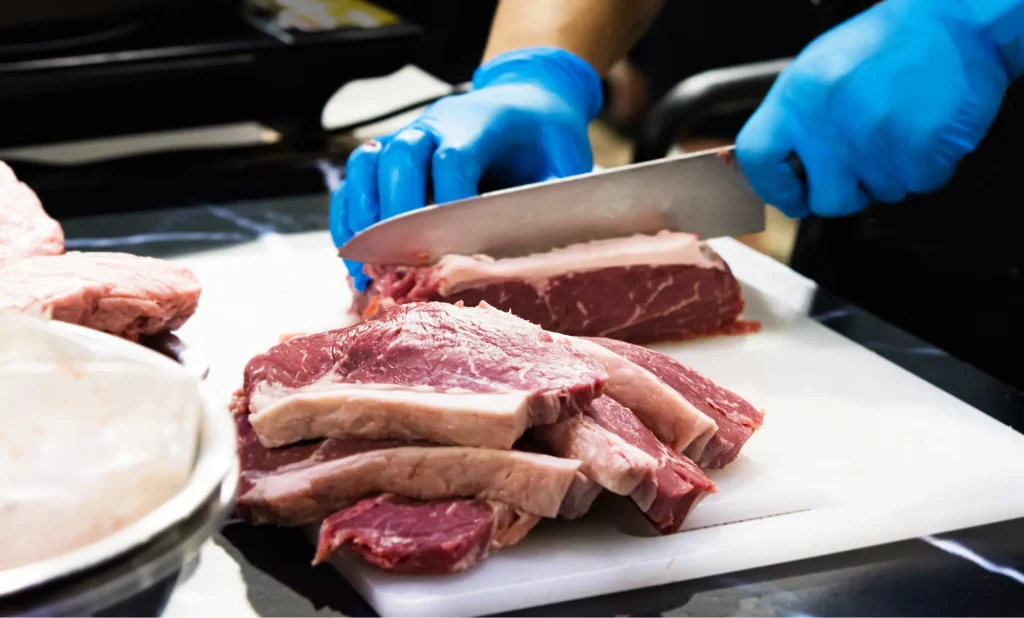
Meat
Portion meat evenly for uniform cooking. If possible, marinate in advance. Marinades enhance flavor and shorten cooking time. Organize the refrigerator with drawers by type of meat and label everything with dates.
Fish
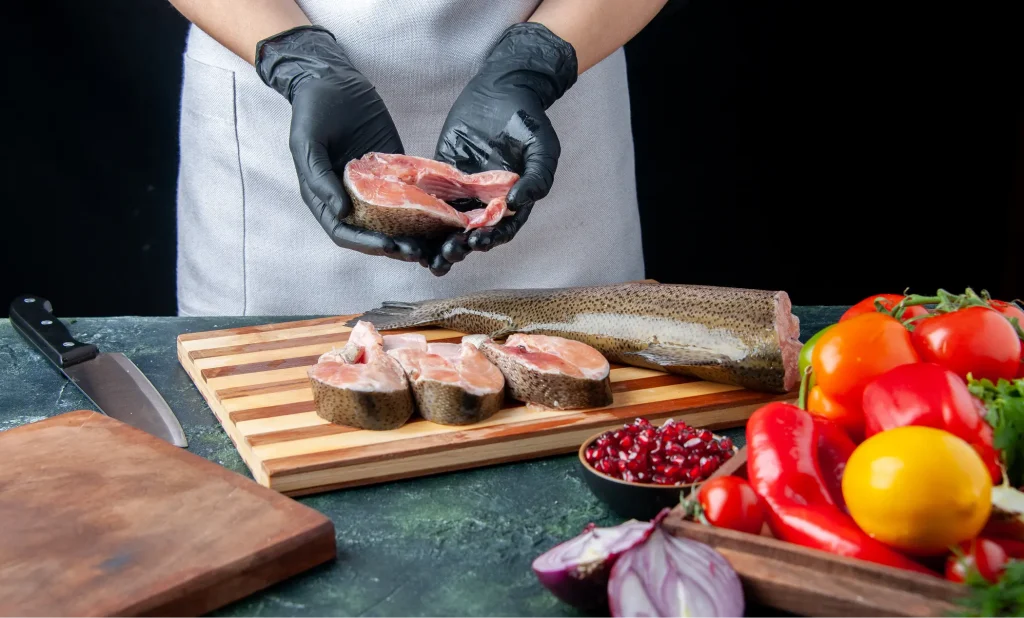
Fish is best filleted as late as possible, that is, just before serving. If it must be filleted earlier, vacuum seal it or keep it on ice, but never in water. This is important to maintain texture. Also, if you are preparing one type of fish for grilling and another for carpaccio, process them differently (with skin and without skin, sliced and filleted).
Sauces and stocks
These should be prepared in advance and cooled. This way, they are ready for heating and finalization during service.
4. Labeling and rotation of ingredients
Each container should have a label with the name, preparation date, and allergen information. Apply the “First In, First Out” principle to maintain freshness and prevent food waste.
5. Minimize waste
Use leftovers to prepare soups, stocks, or personal meals for staff. This optimizes ingredient utilization and reduces costs.
6. Regular staff training
All kitchen members should know what mise en place is and how to implement it correctly. Standardizing processes contributes to quicker onboarding of new members and greater professionalism of the team.
Order in the kitchen, order on the plate
Mise en place is much more than just preparing ingredients. It is a work philosophy that elevates quality, speed, and organization in a professional kitchen. Whether it is a fine dining restaurant, bistro, or catering, good organization makes the difference between chaos and control, between average and exceptional service.
When every knife is sharp, every container is labeled, and every ingredient is in its place – the chef can fully dedicate themselves to cooking, precision, and creativity.
Contact Podravka chefs for tips and training in kitchens.