Asparagus: season, techniques and ideas
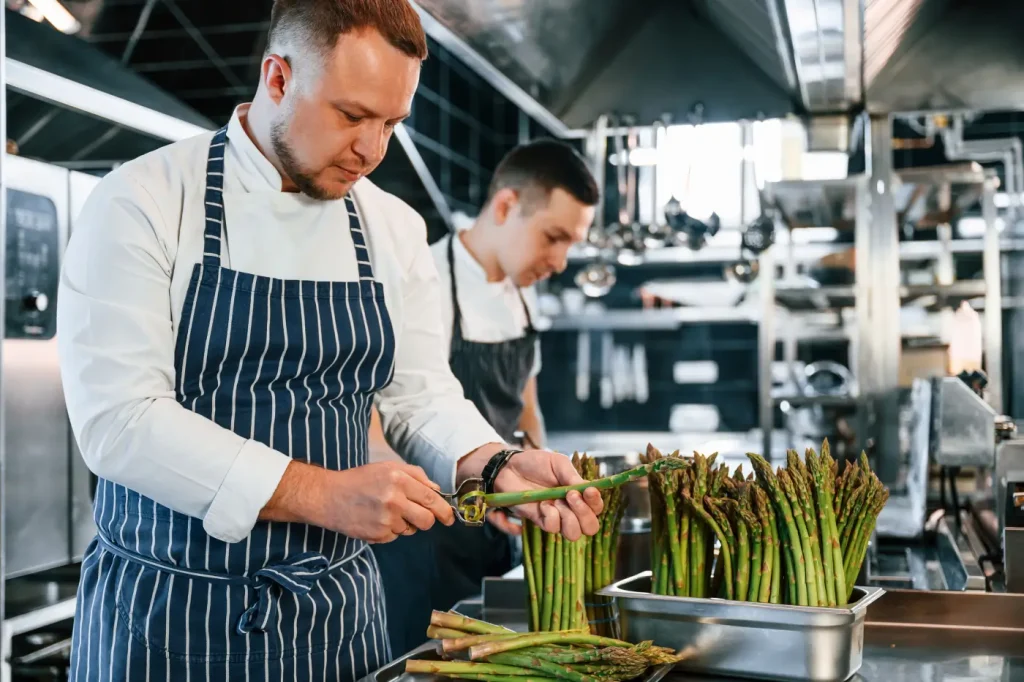
Asparagus is one of the most recognizable heralds of spring in the professional kitchen. It signifies the beginning of the season of fresh wild herbs and vegetables and that it is time for a menu refresh. It is a true seasonal ingredient that, with its appearance in a classic frittata, evokes the green interior of Istria, where it is harvested in April and May.
There are several types of asparagus, and the way a chef selects, prepares, and pairs them with other ingredients makes the difference between a classic seasonal dish and a signature plate.
Both bring out the best in asparagus, and with our short guide, find out what the chefs from Podravka recommend.
Types and thicknesses of asparagus in professional use
In order for dishes to be consistent from service to service, chefs must be well-acquainted with both the type and thickness of the asparagus they use.
Different thicknesses and types of asparagus will yield different results in roasting, grilling, or sous vide preparation and will also affect cooking time, ingredient usability, and cost.
Three grades of asparagus: thin, standard, jumbo
Thin asparagus, which are as thin as a pencil, are the most delicate grade of asparagus. They are ideal for quick thermal treatments, fast bistro dishes, sophisticated sides, or dishes where we want a light texture and shorter preparation time. In service, they bring speed and elegance but require careful handling to avoid overcooking and losing texture.
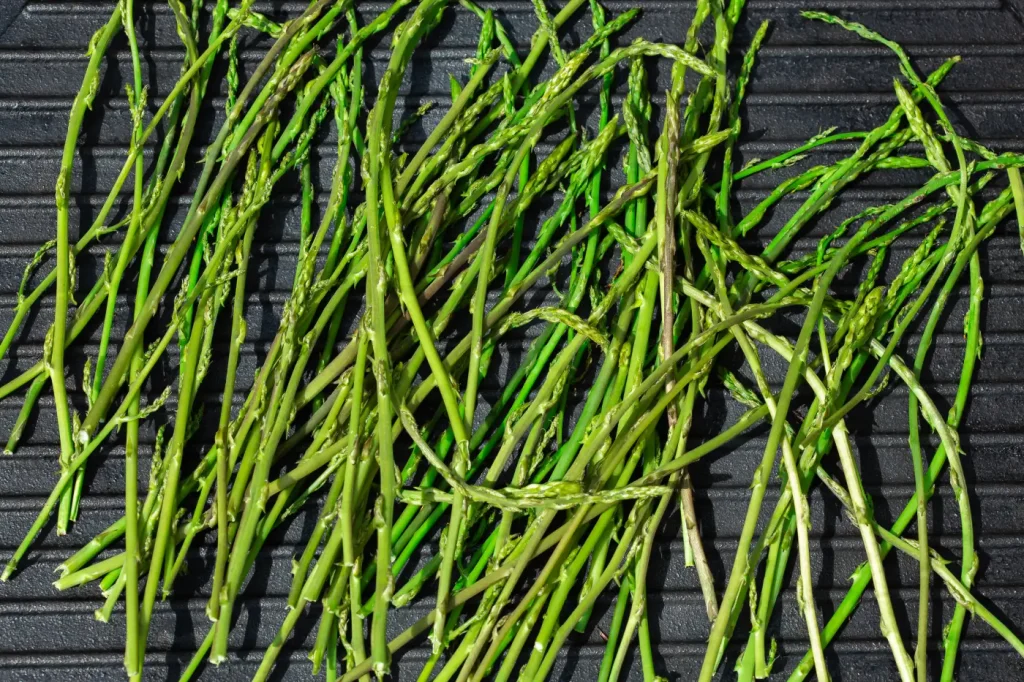
Standard asparagus is the most common choice in professional gastronomy, especially when it comes to roasting and grilling. They do not need to be peeled, are firm enough to maintain their structure on the plate, and at the same time, soft enough to be a standard among guests. This thickness of asparagus is preferred by the vast majority of people and is the easiest to incorporate into various types of menus.
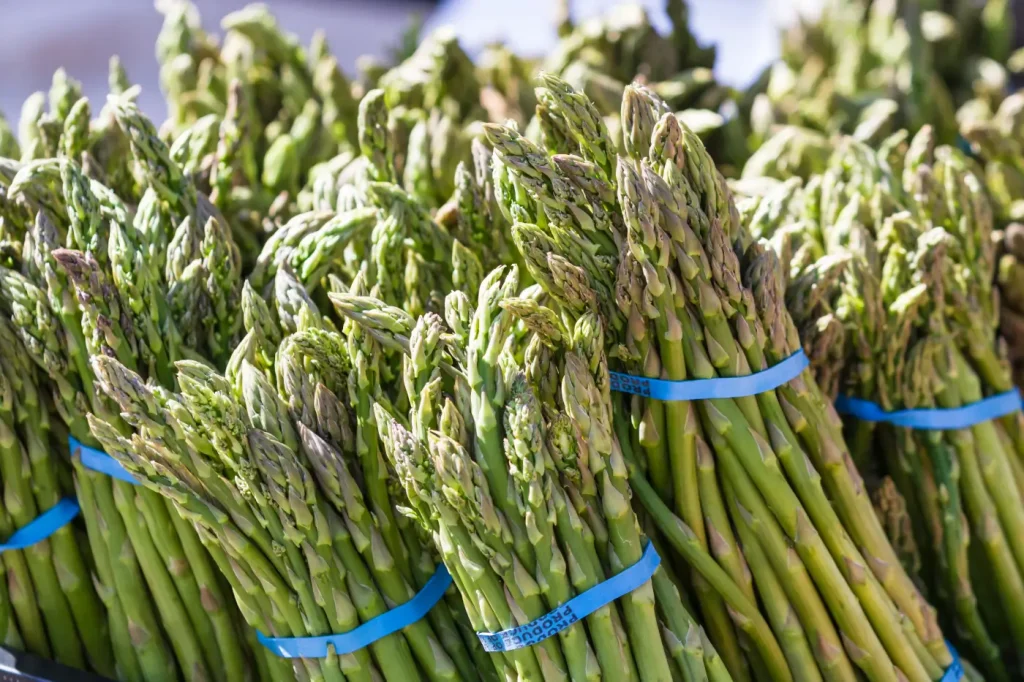
Jumbo asparagus, the thickest among them, require a bit more attention: they need to be peeled or trimmed to remove the tough exterior from the stalk. When properly prepared, they become ideal for dishes where asparagus plays a main role on the plate, rather than just being a side.
In addition to diameter, asparagus also differs in color.
Green, white, and purple asparagus
Green asparagus is the most common in home and professional use. Since they are available in most supply channels, they are a logical first choice for most restaurants and hotels. Their pronounced aroma and color withstand various techniques well, from roasting to grilling.
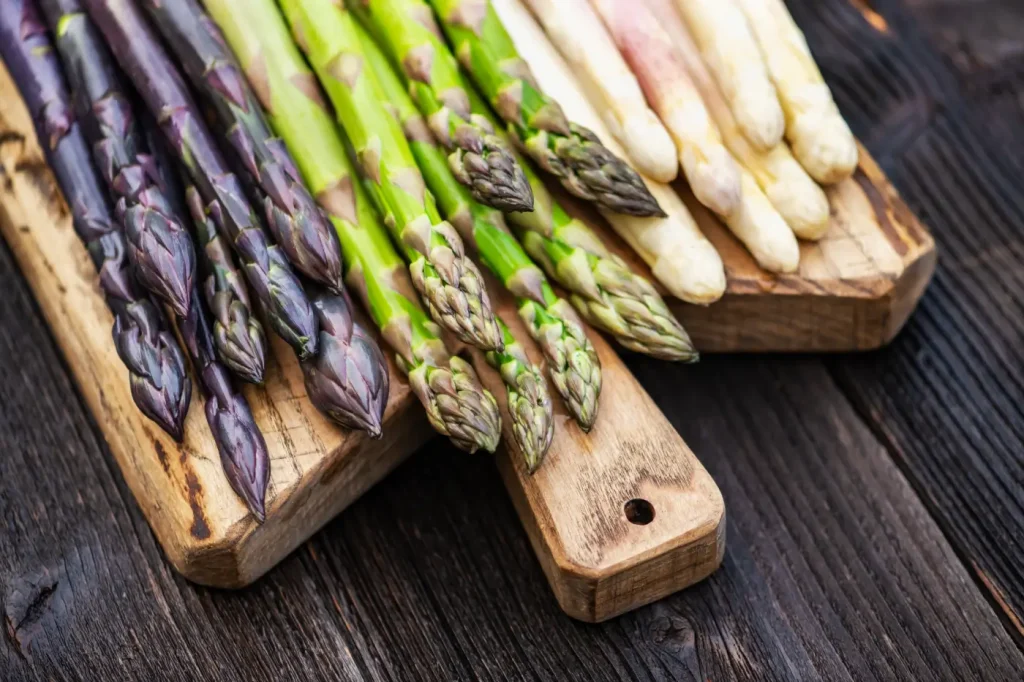
White asparagus is noticeably more delicate. They are grown underground, without exposure to sunlight, so they do not develop chlorophyll and retain a pale color, giving them a more refined, subtle taste. In many kitchens, they are treated as a delicacy and often appear in fine dining contexts or as part of special seasonal menus.
Purple asparagus is rarer and found in certain regions, such as Italy and the United Kingdom. The stalks are thicker, and the color and visual effect on the plate add extra value to dishes where aesthetics play a significant role, such as tasting menus or signature dishes of the restaurant.
Modern preparation techniques and serving
Traditionally, asparagus was blanched or poached in water, which still makes sense for soup bases or quick pre-preparations of larger quantities.
Today, this is less commonly used as the main technique, as water washes away some of the flavor, color and nutrients.
Chef Mišel Tokić
In modern professional kitchens, roasting, whether in the oven or on the stove, with good control of temperature and fat, is predominant. This results in a more pronounced aroma, caramelization, and an attractive texture. Thicker types of asparagus are also ideal for sous vide techniques. Precise temperature gives optimal texture, and a quick finish on the stove or grill adds the desired visual appearance and an extra layer of flavor.
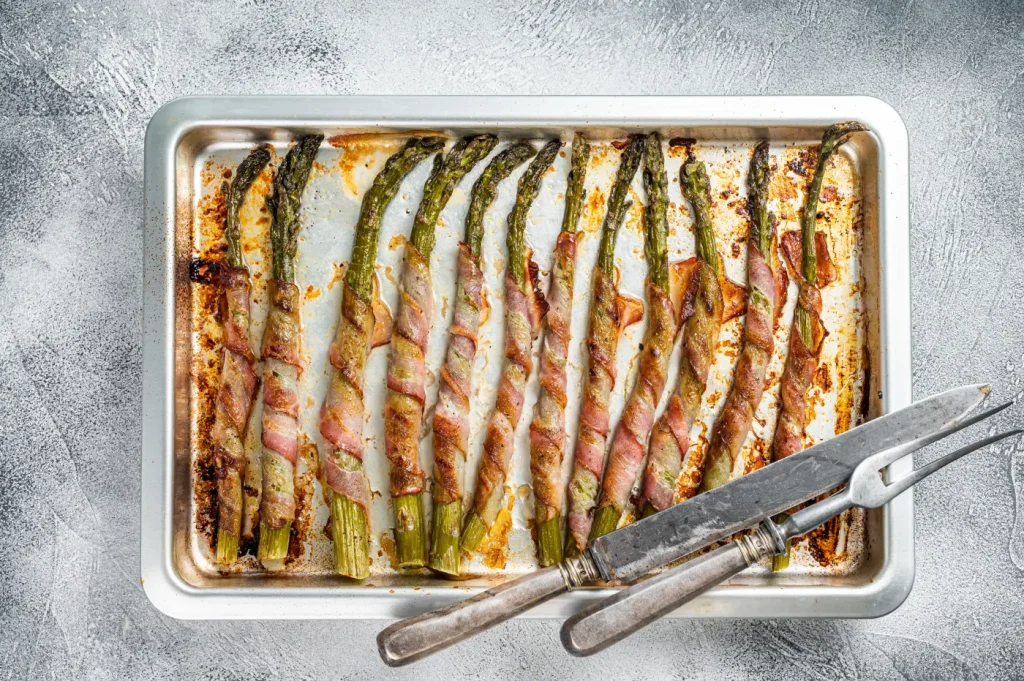
Asparagus on the menu: from frittata to fine dining
Frittata with asparagus is the most recognized seasonal dish in our market, often associated with festivities and events, especially in Istria and the coast, where it easily becomes the bearer of the local gastronomic story.
However, the professional use of asparagus goes much further: creamy risottos and pastas with prosciutto and aged cheeses, as well as carefully arranged sides with meat dishes, are now standard in both bistros and fine dining segments. Different thicknesses of asparagus, local products, and well-thought-out sauces, garnishes, and textural contrasts allow chefs to create a new, recognizable dish from a familiar ingredient.
How to support seasonal asparagus dishes with Podravka products
Podravka has a wide range of products that will help this seasonal ingredient reach its full potential on the plate: quality rice, diverse pasta, aromatic tomato sauces, and cooking spice pastes. Our products guarantee a stable and predictable foundation, while the kitchen retains creativity and cost control.
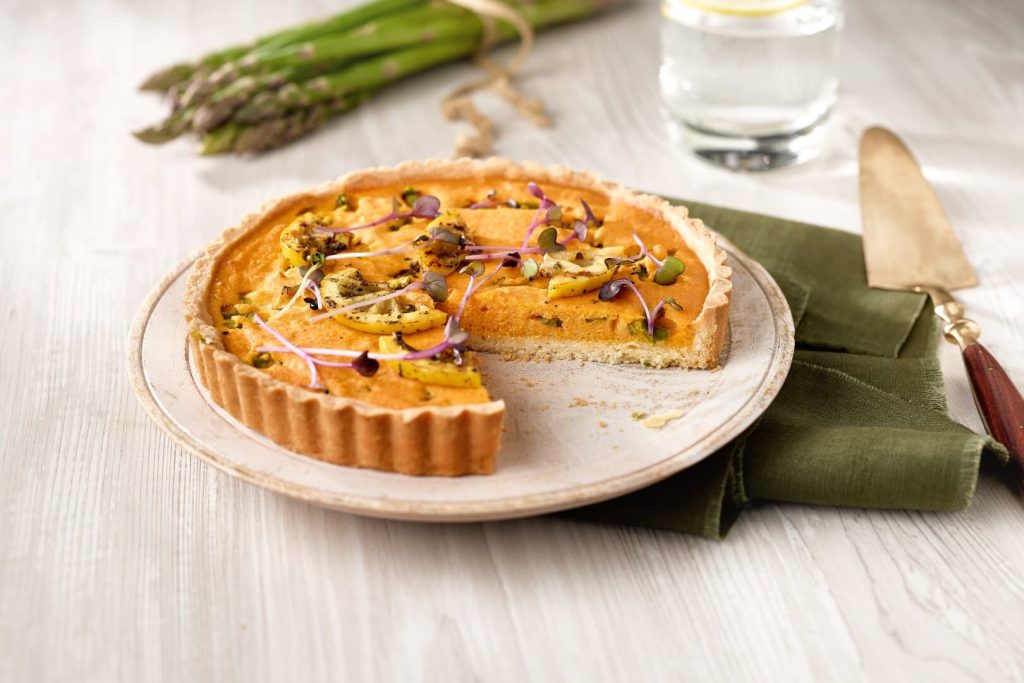
You can try this through our recipe for asparagus and tomato tart, where our versatile pizza sauce combines with corn flour, Vegeta, grated cheese and asparagus for an attractive dish that you can include in your offer.
With a tradition spanning over 60 years, stable and proven quality, and support through recipes and expert advice, planning seasonal menus becomes easier, especially for short and intense seasons like asparagus.
With the reliable availability of our products, chefs can plan spring menus and special offers more confidently, turning the asparagus season into an opportunity to strengthen the identity of the house rather than an additional operational burden.